

If previously you were simply told to “watch your cholesterol,” medicine now offers much more precise and personalized guidelines.
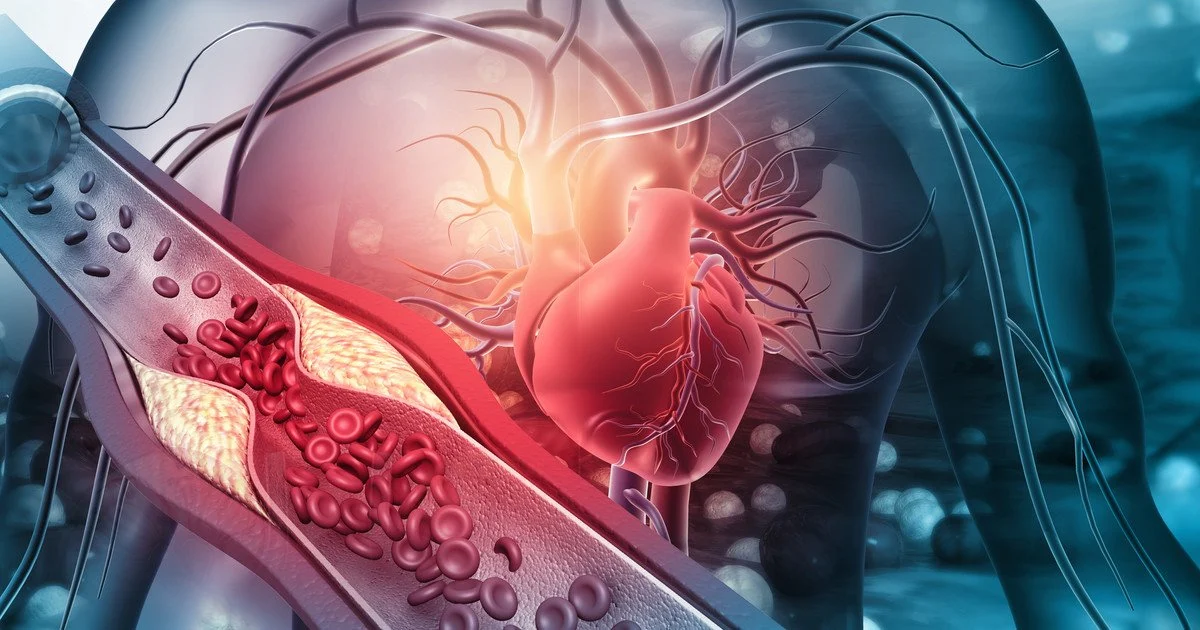
Cholesterol is no longer so scary / © Credits
Cholesterol has long had a bad reputation, but in reality, it is not an enemy but a necessary component of our body. It participates in building cell membranes, producing hormones, including estrogen and cortisol, synthesizing vitamin D, and creating bile acids. However, the problem begins when “bad” LDL cholesterol accumulates in the blood vessels, gradually increasing the risk of cardiovascular diseases, as reported by Woman’s World.
As cardiologist Grant Simons explains, most people produce everything they need internally, but an excess is already a risk factor. A standard lipid profile test usually includes four indicators: total cholesterol, LDL (the “bad” kind), HDL (the “good” kind, which helps clear blood vessels), and triglycerides – fat in the blood linked to metabolic health.
What is considered high cholesterol in women?
Updated approaches provide a clearer picture of “norms” and risks. Two markers are particularly important:
-
LDL above 190 mg/dL is a signal for urgent medical attention, especially if there are risk factors such as heredity, diabetes, or smoking.
-
Triglycerides above 500 mg/dL can lead to severe pancreatic inflammation.
New Recommendations
The updated indicators are changing the very approach to preventing heart disease and making it more “long-term.”
-
Earlier screening start. Cardiovascular risk assessment now begins at age 30, instead of 40, and continues until age 79.
-
Long-term thinking. Doctors assess not only the 10-year but also the 30-year risk of developing heart disease. After all, heart diseases develop over decades, not suddenly.
-
Clearer LDL targets. It is now easier for women to understand what levels to aim for.
-
Lp(a) test. A one-time test for Lp(a) is recommended – a genetic marker that can mask risks even with a “normal” lipid panel.
Choosing the Right Statin
If cholesterol levels require medical correction, a doctor may prescribe statins. Their effectiveness is measured by how much they lower LDL:
-
Low intensity – up to 30% LDL reduction
-
Moderate intensity – 30–49%
-
High intensity – 50% or more
High-intensity statins are usually prescribed to patients at maximum risk, such as after a heart attack, stroke, or with very high cholesterol.
Side effects are also considered:
-
about 10% of people may experience muscle pain
-
approximately 1% encounter more serious reactions like liver issues or an increased risk of type 2 diabetes
Therefore, doctors often start with lower doses and gradually increase them.
Lowering Cholesterol Without Medication
If you do not have cardiovascular disease, your doctor may recommend lifestyle changes before starting statins.
-
More soluble fiber. It binds cholesterol in the digestive system before it enters the bloodstream. Recommendations include: daily legumes or lentils, oatmeal or barley, and more fruits and vegetables.
-
Fat replacement. Reduce saturated fats, such as red meat, butter, and fatty dairy products, and add healthy ones, like olive oil, nuts, seeds, and avocados.
-
Exercise and weight management. Excess weight increases cholesterol, sugar, and blood pressure. Even regular walking has a positive effect.
-
Supplements, but with caution. Red yeast rice acts similarly to statins but can cause the same side effects, while Omega-3 does not directly lower LDL but reduces triglycerides.
The new cholesterol guidelines are not about fear but about precision and early prevention. Now, starting from age 30, women have more tools to manage their heart health, and doctors have more data for personalized decisions. And the main idea remains simple: cholesterol is not a sentence, but an indicator that can be changed.
Comments Sort: New Old Popular Submit