

Russia is increasingly losing ground both on the battlefield and economically.
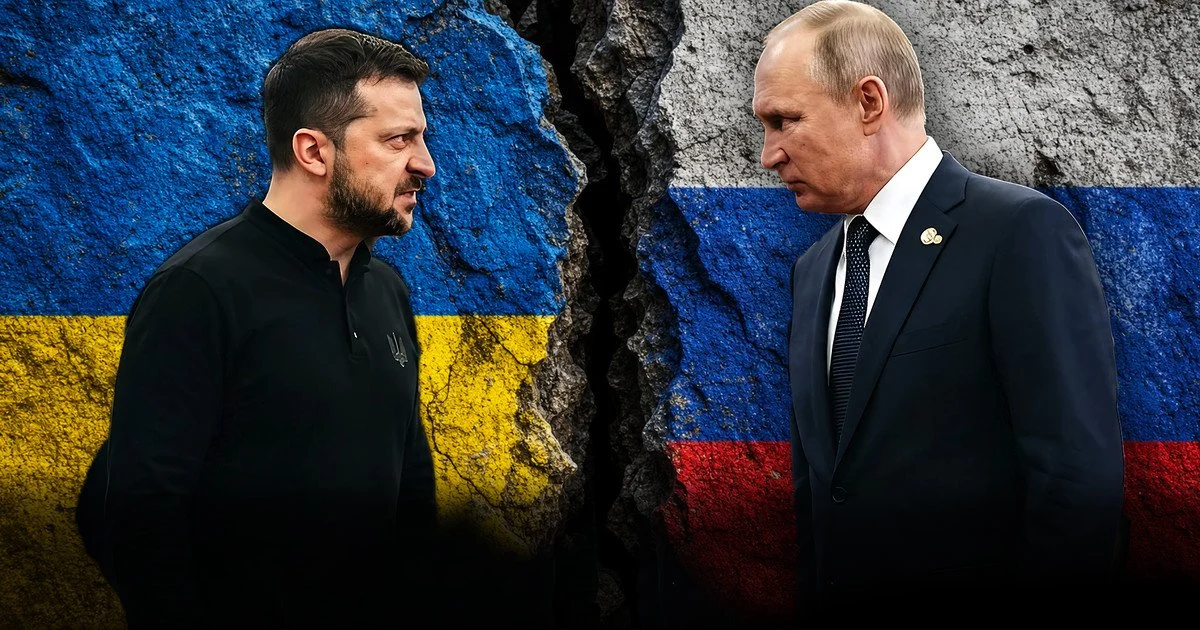
Volodymyr Zelenskyy and Putin / © TSN
Since the full-scale invasion began, Ukraine was largely perceived as the side in a significantly worse position. However, this year the situation has started to change, and the advantage is gradually shifting in Kyiv’s favor.
This is written in his column for the Financial Times by economic commentator Martin Sandbu.
According to the author, Ukraine has managed to achieve a significant technological and military advantage, which is gradually altering the balance of power at the front. At the same time, Russia is facing growing economic difficulties, and its capabilities to continue the war without large-scale economic mobilization are increasingly narrowing.
Sandbu notes that the Russian army loses 30,000 to 40,000 soldiers monthly.
He states that this has largely been a consequence of Ukraine’s breakthrough in military technology.
The commentator also pointed out that over the past three months, Russia has been gradually losing control over certain territories. Additionally, Ukrainian strikes on Russian targets, particularly oil refineries, have limited the Russian Federation’s export capabilities.
Furthermore, the author notes, operations by Ukrainian forces against the occupying administration of Crimea have forced the occupation authorities to introduce a state of emergency following power outages and fuel shortages.
Sandbu emphasized that Russia’s economic potential is effectively depleted.
In his opinion, the real inflation rate in the Russian Federation exceeds official figures, indicating a lack of additional resources in Moscow to support the economy.
The commentator also noted that the Russian government has already exceeded the budget deficit target for the entire year. Meanwhile, after economic growth in the first quarter, a downturn has resumed, and significant payments to the families of fallen and wounded soldiers are already substantially impacting the macroeconomic situation.
As the author notes, a report from the Kiel Institute indicates that Russia has almost completely exhausted its main economic reserves that allowed it to sustain the economy during the war.
Meanwhile, even a temporary rise in global oil and gas prices during the war with Iran did not bring Moscow the expected benefits due to Ukrainian strikes on energy infrastructure.
Additionally, the Kiel Institute drew attention to stricter European actions against Russia’s “shadow fleet” and enhanced trade sanctions, which complicate the use of export revenues for purchasing military goods.
Sandbu also stressed that despite constant Russian attacks, Ukraine has managed to partially compensate for the decline in production that has been ongoing since 2022.
Projections suggest that the Ukrainian economy will continue to show growth this year.
The commentator noted that Ukraine remains dependent on financial support from allies to cover military expenditures. However, he stated that over the past year, it has become evident that Europe is actively filling the gap created by reduced American aid.
Sandbu recalled that the European Union previously agreed to provide a loan of 90 billion euros, and European funding is already being directed towards developing Ukraine’s defense industry.
In the commentator’s view, the current changes reflect a real turning point in the war in Ukraine’s favor.
He believes that Kyiv’s allies should use this “window of opportunity” to further strengthen Ukraine’s position and limit Russia’s ability to continue the war.
Sandbu is convinced that this can be achieved through further tightening sanctions against Moscow and combating schemes to circumvent them.
Furthermore, in his opinion, transferring frozen Russian assets to Ukraine as an advance payment for future reparations will further strengthen Ukraine’s defense capabilities.
It was previously reported that Ukrainian drone strikes on Russian oil refineries are increasingly impacting the Russian fuel market.
We previously informed that the Kremlin’s military spending exceeds budget plans, and debt servicing has become one of the largest items of state expenditure in the Russian Federation.
Comments Sort by: New Old Popular Send