

The true essence of feline grooming: why this behavior is often veiled aggression
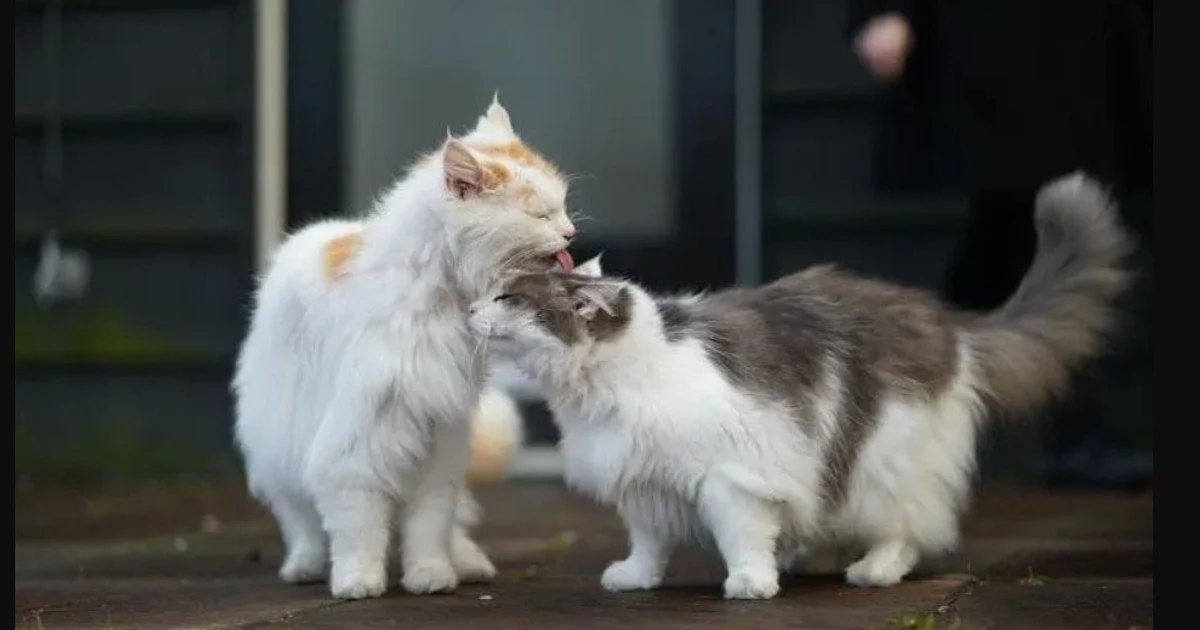
Cats groom each other
Mutual grooming in the animal kingdom is commonly perceived as affectionate gestures and a display of genuine love between four-legged companions. However, scientific studies in animal behavior reveal a different perspective, indicating that in many instances, so-called allogrooming is not related to hygiene or care at all. In reality, cats utilize it as a covert tool for dominance, passive aggression, and fierce competition for territories and resources.
Gentle Pressure Instead of Open Fights
Cats are intelligent predators that strive to avoid direct and dangerous conflicts involving claws and teeth. When tension arises between animals, such as during a struggle for the best sunbeam on the windowsill, a favorite resting spot, or access to a food bowl, they often resort to manipulation. Research suggests that approximately up to 20 percent of such grooming occurs around the ears. An animal may persistently lick a rival, not out of tenderness, but as a veiled form of pressure intended to displace the other cat from its position.
Signs of Hidden Stress and Dissatisfaction
During these dominance-driven grooming sessions, the victim typically exhibits clear signs of discomfort, flattening their ears back, tensing up, shaking their head, licking their lips, or even attempting to withdraw. This confirms that the act is not a source of pleasure but rather a form of social coercion. The dominant cat asserts its strength through a subtle yet effective method, compelling the other animal to yield its position without resorting to overt brutality.
What Else Can Mutual Grooming in Cats Mean
Beyond veiled rivalry and passive aggression, researchers identify other potential reasons for this behavior:
-
Genuine social bonding and friendship (although observations show this occurs less frequently than commonly believed, primarily when postures align and both animals are relaxed).
-
Grooming hard-to-reach body parts (a hygienic function where cats assist each other in cleaning areas like the head, neck, or ears that are difficult to reach independently).
-
Initiating play and inviting interaction (in such cases, licking is typically focused on the neck area, where cats most often nip each other during active play).
-
Demonstrating hierarchy and leadership (a one-sided process where a higher-ranking animal intentionally grooms a lower-ranking one, reinforcing its authority).
Therefore, the myth that mutual grooming is solely a sign of friendship and hygiene has been definitively debunked. In numerous situations, it is a multifaceted behavior that can manifest as either a display of hidden aggression or psychological pressure, or as simple play or an effort to maintain cleanliness in hard-to-reach areas.
Comments Sort: New Old Popular Send