

Psychologists explained what might be behind such a choice and which option is safer.
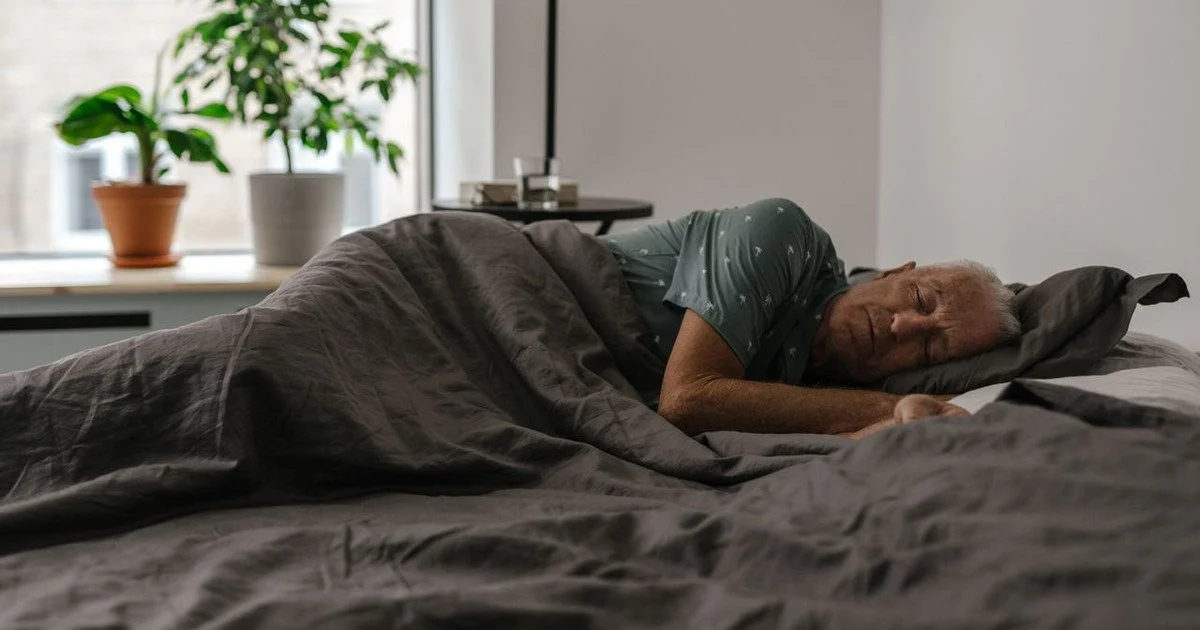
Sleep / © pexels.com
It would seem that the decision to leave the bedroom door open or closed is just a matter of habit. However, psychologists note that such behavior can partially reflect specific perceptions of safety, the need for privacy, or openness to the surrounding world. At the same time, experts emphasize that this habit in itself does not define a person’s character.
This is reported by Egeszseg Kalauz.
According to psychologists, people who leave their doors open may adapt more easily to new situations and strive less for isolation. Experts suggest that such a habit is sometimes associated with a sense of trust in the environment or is simply a result of long-standing routine.
However, this does not mean that all such people are extroverts or exceptionally sociable.
Those who are accustomed to closing their bedroom doors often explain it by a desire to create a quiet, calm atmosphere for rest.
Psychologists believe that in some cases, such a habit may be linked to a greater need for personal space, although it does not indicate introversion or distrust of others at all.
Experts emphasize that many nighttime habits are formed in childhood. If a person slept with the doors closed or open from an early age, such behavior often remains habitual in adulthood without any psychological undertones.
Which option is more beneficial for health
There is no universal answer. If the doors are left open, it can improve air circulation and reduce carbon dioxide concentration in the room.
At the same time, an open door can allow noise, light, and allergens to enter the bedroom, which can degrade the quality of nighttime rest.
Fire safety experts recommend closing bedroom doors before sleep. In the event of a fire, closed doors can slow the spread of smoke and flames, giving residents more time to evacuate.
What really matters for quality sleep
Specialists emphasize that air temperature, quietness, darkness, and regular room ventilation are much more important than the position of the doors.
It is these conditions that have the greatest impact on the quality of rest, while the choice between closed or open doors remains individual and depends on habits, living conditions, and personal comfort.
We remind you that earlier we wrote that many people associate **insomnia** with excessive coffee consumption or stress. However, a new scientific study suggests that everyday plastic items that surround us may also be a cause of sleep disturbances.
Scientists have hypothesized that certain chemical compounds present in plastic can affect a person’s sleep-wake cycle similarly to caffeine. According to them, these substances can disrupt our “internal clock,” shifting circadian rhythms by an average of 17 minutes.
Comments Sort: New Old Popular Send