
The EU may abandon large sanctions packages against the Russian Federation due to disputes between member states. The reason was pressure from Greece, which secured an exemption for the transportation of Russian LNG.
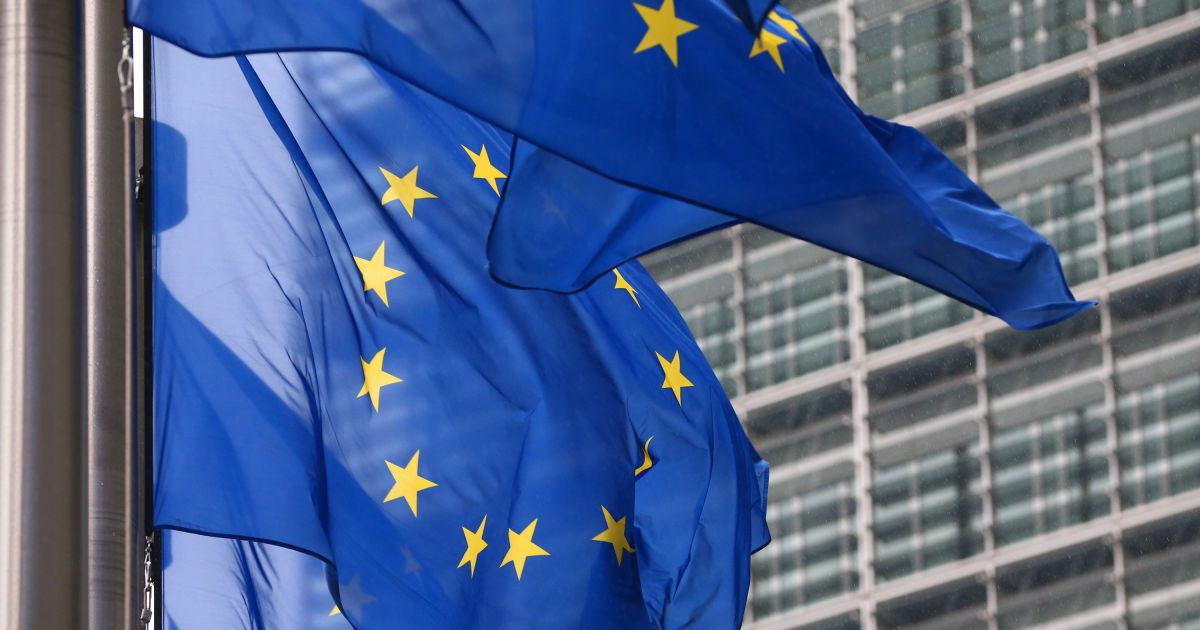
The European Commission is looking for a new way to restrict Russia / © Getty Images
The European Union is seeking new mechanisms for approving sanctions against Russia to prevent individual EU countries from using their veto power to protect their own businesses. This was reported by European officials and diplomats.
Financial Times writes more.
Brussels plans to change its approach to sanctions against the Russian Federation due to blackmail by Greece
The reason for reviewing the strategy was Athens’ position, which for weeks blocked a new large-scale sanctions package against Russia’s financial system and oil exports. Greece demanded an exemption for the shipping company Dynagas, owned by billionaire Georgios Prokopiou, so that its tankers could continue to transport Russian liquefied natural gas.
As a result, Athens got its way: Dynagas tankers were allowed to continue these shipments. This was the first instance of a relaxation of the general EU sanctions regime.
At the same time, the Greek side blocked other important steps, including limiting Russia’s profits from crude oil, freezing the assets of 94 Russian financial institutions, and prohibiting transactions for 33 banks. Such behavior angered diplomats. One of them called this tactic “disgraceful”.
For their part, Greek officials stated that the ban on LNG transportation was previously adopted by mistake. In their opinion, this decision would harm not the Russian economy, but Dynagas itself, and would also play into the hands of competitors from China and other countries outside the European Union.
To avoid similar delays in the future, the European Commission and the most pro-Ukrainian EU states propose abandoning large “packages” of sanctions for public effect.
Instead, they propose adopting restrictions individually or in small thematic blocks.
“This may be the last sanctions ‘package’. It is now quite clear that this approach no longer works,” one of the sources noted.
Since the beginning of the full-scale invasion in February 2022, the EU has adopted 21 sanctions packages based on the principle of unanimity of all 27 member states. However, proponents of the new methodology are convinced that abandoning high-profile “packages” will allow the EU Council to promptly approve targeted and effective decisions without the risk that the objections of one country will block the entire sanctions process.
The European Commission does not officially comment on the possible change in strategy. However, a spokesperson for the agency emphasized that after the 21st package of sanctions of this scale since the beginning of the war, Russia has suffered a large number of sanctions that exert significant pressure on it.
Sanctions against the Russian Federation: latest news
Recall that the European Union is intensifying its fight against Russia’s “shadow fleet”, which is used to circumvent sanctions and export oil.
As reported by the EU High Representative for Foreign Affairs and Security Policy, Kaja Kallas, on July 20, the naval operation EUNAVFOR MED IRINI boarded the tanker MV SOUTH STAR, suspected of sailing under a false flag.
She emphasized that every illegal oil shipment helps finance the Russian war machine, so the EU is reinforcing sanctions with real action at sea.
In addition, according to Kallas, EU member states have mandated another naval mission, EUNAVFOR ATALANTA, to conduct inspections of Russian “shadow fleet” vessels using a procedure similar to Operation IRINI.
Comments Sort: New Old Popular Send