
The meaning behind washing machine symbols
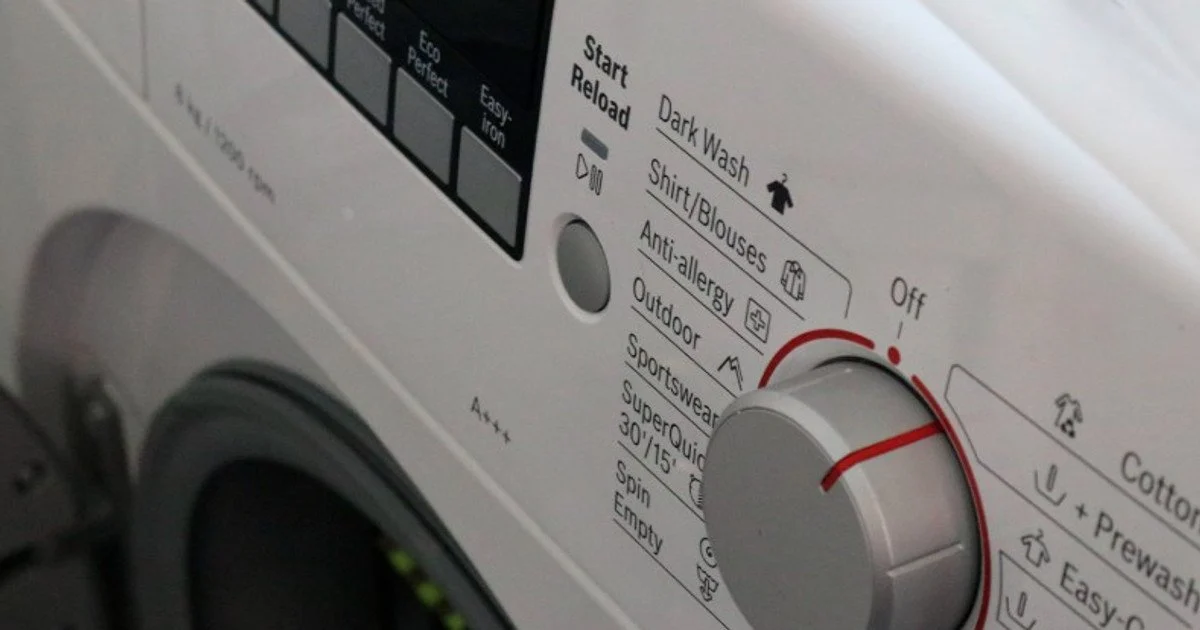
Washing machine symbols
Every icon on the control panel of a washing machine isn’t just for aesthetics; it’s designed to help us properly care for our clothes. Selecting the right cycle protects fabric from premature wear, conserves water and energy, and also extends the lifespan of the appliance itself. However, in practice, many users make the same mistake for years: they choose a universal program for their entire wardrobe, without even considering the role of other pictograms.
Why is it important to understand these designations, and what exactly is hidden behind the most common symbols?
Why you shouldn’t use just one washing program
Modern washing machines offer dozens of intelligent cycles tailored to a wide variety of fiber types, soil levels, and energy-saving requirements. Ignoring these settings typically leads to undesirable outcomes:
-
Excessively high spin speeds can easily damage delicate fibers;
-
High water temperatures can permanently ruin wool or synthetic items, causing them to shrink;
-
A cycle that is too short at low temperatures may not effectively remove stubborn stains from heavy fabrics;
-
Indiscriminate use of maximum water heating each time increases electricity bills and degrades material structure.
Experts emphasize that there is no single universal standard for all manufacturers. While the basic functions are similar across most brands, the graphical representation can vary significantly. This is precisely why you should consult the manual for your specific model before washing.
Key symbols on the washing machine panel and their meanings
1. Butterfly or feather symbol — delicate wash
This icon is intended for the most demanding materials: silk, lace, satin, tulle, and items with decorative embroidery or sequins. During this cycle, the drum rotates slowly and very gently, the water temperature is kept minimal, and the spin speed is significantly limited. This saves fragile garments from deformation and tearing.
2. Spiral symbol — spin and drain
The spiral is one of the most recognizable and common pictograms. It is responsible for removing excess moisture from clothes before drying. Many models allow manual adjustment of the rotation speed (from 400 to 1600 rpm):
High speeds are ideal for towels, bedding, and heavy cottons that retain moisture well and can withstand the load.
Low speeds or completely disabling the spin cycle are recommended for shirts, dresses, viscose, or wool to avoid creases and thread damage.
3. Cotton flower — standard cycle for durable fabrics
This symbol indicates a program for cotton items, t-shirts, towels, and bedding. These items can withstand intense drum rotation and high temperatures (from 20 to 90°C). However, experts today advise against excessive boiling: a temperature of 60°C is optimal for sanitizing bedding or towels, while everyday clothes are perfectly washed at 30–40°C.
4. Program for synthetic fabrics
Synthetic fibers (polyester, polyamide, acrylic, elastane) require gentle handling, as they can easily wrinkle and deform at high temperatures. The synthetic symbol may look different depending on the appliance brand, but the program itself always involves moderate spinning and temperatures within the range of 30–40°C. This is one of the most frequently used modes in households.
5. Hand in a basin of water — imitation hand wash
This symbol indicates an extremely delicate mode that mimics the movements of hand washing. The drum makes slow, intermittent movements, the water is at a low temperature, and the spin cycle is usually off or reduced to a minimum.
The presence of such a mode on your machine does not mean you can wash absolutely everything in it. If the clothing label strictly prohibits machine washing, it’s best not to take the risk.
6. Ball of wool — safe care for natural wool
Wool fibers tend to felt and drastically change size under the influence of friction and hot water. The wool program uses a large amount of water, minimal and gentle drum movements, and low temperatures, preserving the softness of the garments.
Why it’s equally important to read the symbols on clothing labels
No washing machine, however intelligent, can save an item if you ignore the instructions on its inner label:
-
A basin with water and a number indicates the maximum permissible washing temperature.
-
A basin with a crossed-out line prohibits any washing in water.
-
A basin with a hand suggests that only hand washing is allowed.
-
A triangle regulates the rules for using bleach.
-
An iron indicates the safe temperature setting for ironing.
-
A square with a circle determines whether the item can be tumble dried.
How to make the right choice every time
In summary, choosing a washing program should always be based on three simple criteria: fabric type, degree of soiling, and the manufacturer’s recommendations on the label. Eco-modes are excellent for daily refreshing of clothes, quick cycles are useful only for minimal stains, and specific delicate programs give your favorite items a long life. If you have doubts about a particular icon on the panel, a few minutes spent reviewing the washing machine’s instruction manual will reliably save your favorite clothes from a ruined appearance.
Comments Sort: New Old Popular Send