

The skeleton might harbor one of the mechanisms of organismal aging. Researchers have discovered that age-related changes in bone marrow stem cells can exacerbate inflammation and affect muscles, lungs, and metabolism.
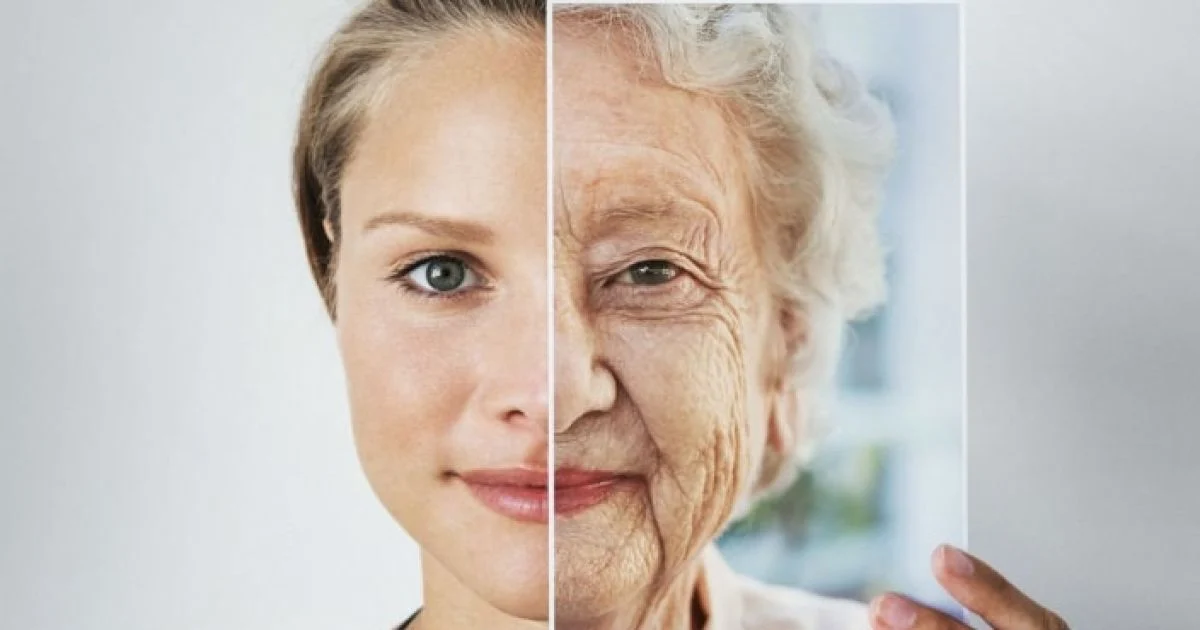
Scientists have found a hidden cause of aging
The hidden cause of organismal aging may lie in the processes occurring deep within the bones. This conclusion was reached by scientists following recent research. What influences aging, and how can we support our bones?
Specifically, this is detailed in a study published in Nature Aging.
How Bone Processes Can Accelerate Aging: A Study
We typically perceive the skeleton merely as the body’s support structure. However, inside many bones operates a true “living factory”—the bone marrow. It continuously produces blood and immune system cells, which then enter the bloodstream and are distributed to muscles, lungs, the brain, and other organs.
Data from the new study suggests that when bone marrow stem cells age, this doesn’t remain a localized issue but can trigger destructive changes throughout the body by producing immune cells that provoke inflammation.
Inflammatory responses usually serve as short-term protection against infections and injuries. However, if hidden, low-grade inflammation persists for years, it gradually destroys healthy tissues.
To determine whether aged stem cells could accelerate the decline of distant organs, scientists focused on the protein SIRT3. This protein is responsible for the stable function and stress resistance of cellular mitochondria.
With age, SIRT3 levels significantly decrease in blood stem cells of both mice and humans. During an experiment, researchers genetically modified mouse stem cells, increasing their SIRT3 production. Subsequently, these cells were transplanted into young mice with compromised immune systems.
Upon reaching two years of age, the test subjects with enhanced SIRT3 protein exhibited a considerably lower level of inflammatory immune cells. The consequences of the transplant were noticeable not only in the blood: these mice ran greater distances, held onto an inverted grid for longer, performed better on memory tests, and more effectively controlled their blood sugar levels. Their lung condition also improved.
To definitively confirm that immune cells were responsible for this effect, scientists transplanted immune cells generated by stimulated stem cells into another group of young mice. The result was repeated—the animals showed improved muscle function, better glycemic regulation, and enhanced lung tissue structure.
The SIRT3 protein restrains blood stem cells from overproducing inflammatory elements. Increasing its levels can weaken this detrimental pathological pattern. This further supports the idea that the hematopoietic system plays a much broader role in the aging process.
Previous studies have already demonstrated the potential for rejuvenating blood stem cells in mice, and observations of various human populations confirm that prolonged chronic inflammation is not inevitable.
However, researchers urge caution against premature optimism. The experiments were conducted on mice using genetically modified material, and the bone marrow transplant preparation procedure itself could have influenced the subjects.
Furthermore, the study evaluated only specific health markers and does not yet prove that increasing SIRT3 can slow down aging or extend human lifespan.
Now, researchers must determine if the mechanism identified in mice is applicable to humans. Until this link is confirmed, SIRT3 protein remains a subject of scientific inquiry rather than a ready-made anti-aging remedy. If the mechanism proves to be analogous, blood stem cells could become the primary target for therapies addressing systemic age-related inflammation.
What to Eat to Strengthen Enamel and Jawbone
As a reminder, osteoporosis and daily chewing stress gradually make bones and teeth brittle, and milk or calcium alone is insufficient for their protection.
Dentist Andrey Bozhych notes that the condition of teeth and jawbone depends on a complex of minerals, thus recommending the addition of three accessible foods to the diet: sardines, prunes, and tofu.
At the same time, specialists emphasize that diet alone cannot completely eliminate risks to oral and bone health. These are also significantly influenced by physical activity levels, the presence of bad habits, teeth grinding, dry mouth, and existing conditions such as diabetes.
Comments Sort: New Old Popular Send