

The act of a dog licking hands isn’t solely an expression of affection towards its owner. This behavior can also serve as a communication method, a way to seek attention, or a response to the taste and scent of skin.
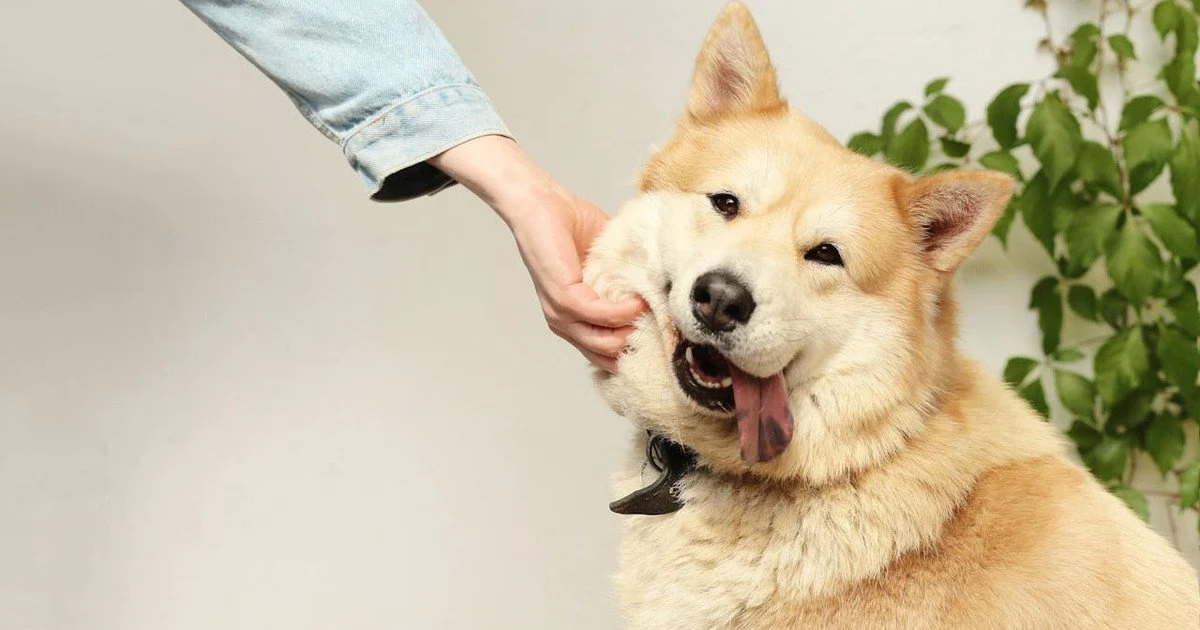
Why does a dog constantly lick hands / © pexels.com
For many owners, the scene is familiar: as soon as you sit on the couch, the dog is right there, sniffing your fingers and enthusiastically licking them. The simplest explanation that comes to mind is that the animal is expressing its love. However, animal behavior specialists believe this is just one possibility. What is your dog really trying to say when it licks your hands?
This is reported by Egészség Kalauz.
Why Does a Dog Constantly Lick Your Hands: What’s Behind This Habit
Licking hands is a complex aspect of canine communication, which can signify a simple greeting, an attempt to get attention, or even express stress or signal health issues.
Since our four-legged friends cannot speak, their communication relies on body language: posture, eye expression, ear and tail position, as well as daily habits. Experts note that there is no universal interpretation of this behavior – it all depends on the context.
The emotional component indeed plays a significant role. Licking emerged when your dog was a puppy. Over time, this communication method remains an important element of social bonding. If your dog happily runs to you when you return home, its body is relaxed, and it licks your hands, it signifies that the animal is happy to see you.
However, a human hand is also a veritable “news feed” for a dog. Traces of sweat, oils, salt, and the scents of everything you’ve touched throughout the day – from food to other animals – remain on human skin. The slightly salty taste and rich palette of aromas are often the primary reason why a dog meticulously licks your palms.
Owners themselves often reinforce this behavior without even realizing it. When a dog licks a hand, the person typically pets it or gives it a treat. The dog quickly learns this pattern: licking is a guaranteed way to get attention.
To reduce this habit, avoid inadvertently rewarding your dog in such moments. Do not give toys or food, and refrain from continuing to pet your dog if you dislike it licking your hands.
Repeated licking of your hands by your dog can also indicate tension, frustration, or overexcitement. If the dog’s familiar environment has changed, or if the animal lacks attention, stimulation, or social interaction, it may begin to signal this through licking.
You should consult a veterinarian if your dog constantly licks your hands, and it’s not a sign of greeting or joy. Compulsive behavior often indicates physical discomfort. If the animal consistently licks the same area of its body or your hands, the cause could be allergies, dermatitis, infections, parasites, or joint pain.
Prolonged licking can lead to complications. For example, the development of acral lick dermatitis, where chronic skin inflammation occurs due to constant friction from the tongue. If, in addition to licking, your dog is experiencing hair loss or behavioral changes, seek veterinary attention.
Under no circumstances should you yell at your dog or display aggression towards it if it licks your hands. The most effective approach is to consistently withdraw the reward for this action: calmly remove your hand, briefly ignore the animal, and then offer a clear alternative and reward it for that.
The main rule is to have consistent expectations from all family members, as contradictory signals will only confuse your pet.
How to Understand That Your Dog Admires You
As a reminder, veterinarian James Greenwood explained that a dog forms the strongest bonds not with the person who feeds it, but with the person whose character and lifestyle best match the animal’s temperament.
A “helicopter” tail wag and full-body movement during greetings, enthusiastic welcomes, and a desire to rest nearby, demonstrating complete feelings of security, are signs of special affection and a high level of trust.
To strengthen this emotional bond, the expert advises dedicating attention to your dog daily: regular walks, engaging in intellectual games, and using positive reinforcement training. The experiences of pet owners on social media confirm these findings: their pets seek protection when scared, sleep nearby, and primarily adore one specific person.
Related Topics
Animals Comments Sort: New Old Popular Submit