

After a quarter of a century working alongside the Queen, her personal stylist revealed how the outfits were created – from the choice of fabric and color to shoes, hats, and details that remained unseen by the public.
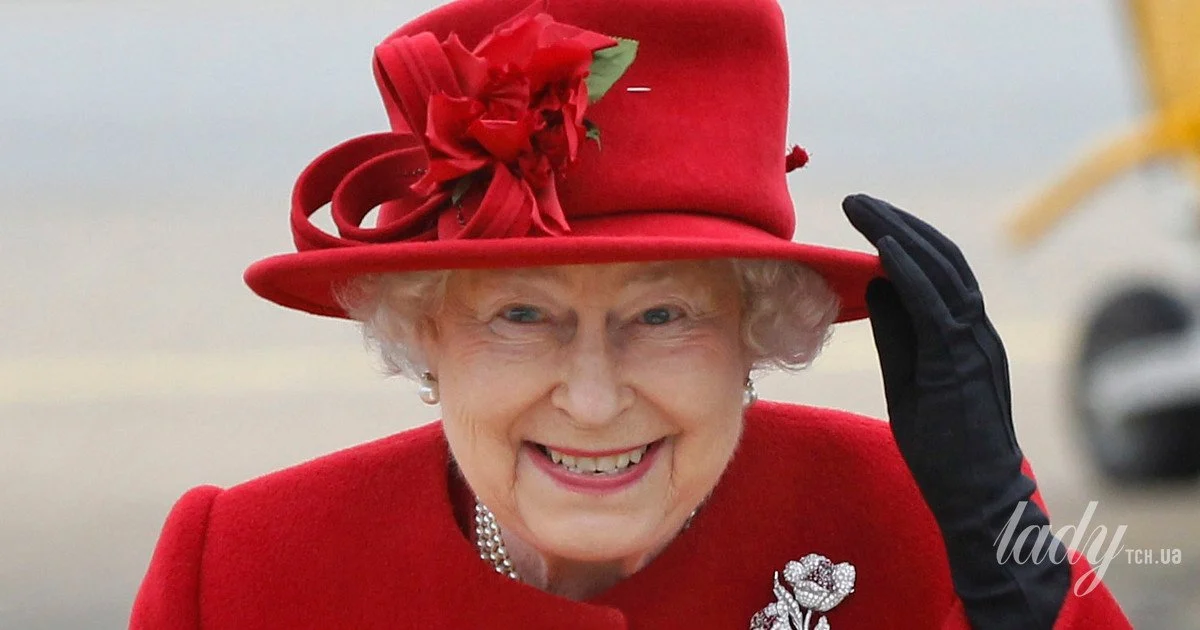
Queen Elizabeth II / © Associated Press
To millions, Queen Elizabeth II was inseparable from the vibrant suits, hats, and impeccable silhouettes that were often visible from afar – and this was no accident. Behind each of these looks were hours of work, dozens of practical decisions, and people who knew the royal wardrobe down to the smallest detail.
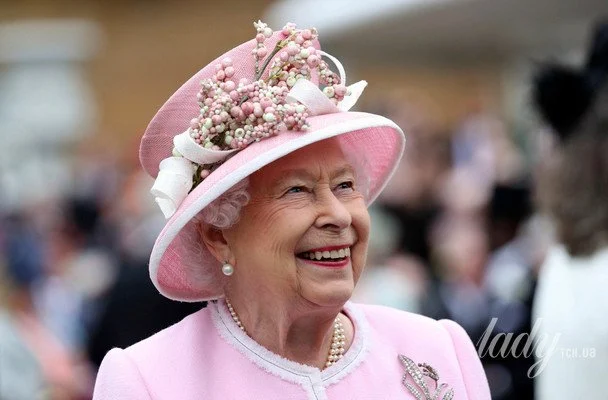
Queen Elizabeth II / © Associated Press
The secrets behind Elizabeth II’s style were shared by Angela Kelly, who worked closely with the Queen for nearly three decades. She served as a dressmaker and milliner, holding the positions of personal assistant and senior dresser to Queen Elizabeth II.
She published her memories in the book “The Other Side of the Coin: The Queen, the Dresser and the Wardrobe.”
Fabric Selection
When Kelly worked on a new outfit, she didn’t necessarily start with a sketch. The fabric came first. She used large fabric samples, which she called “swatches,” allowing her to feel the material before a decision was made to purchase it.
“I scrunch and twist the sample in my hands, then smooth it out again. If the material remains creased or develops folds, it’s unsuitable for use, so I discard it.”
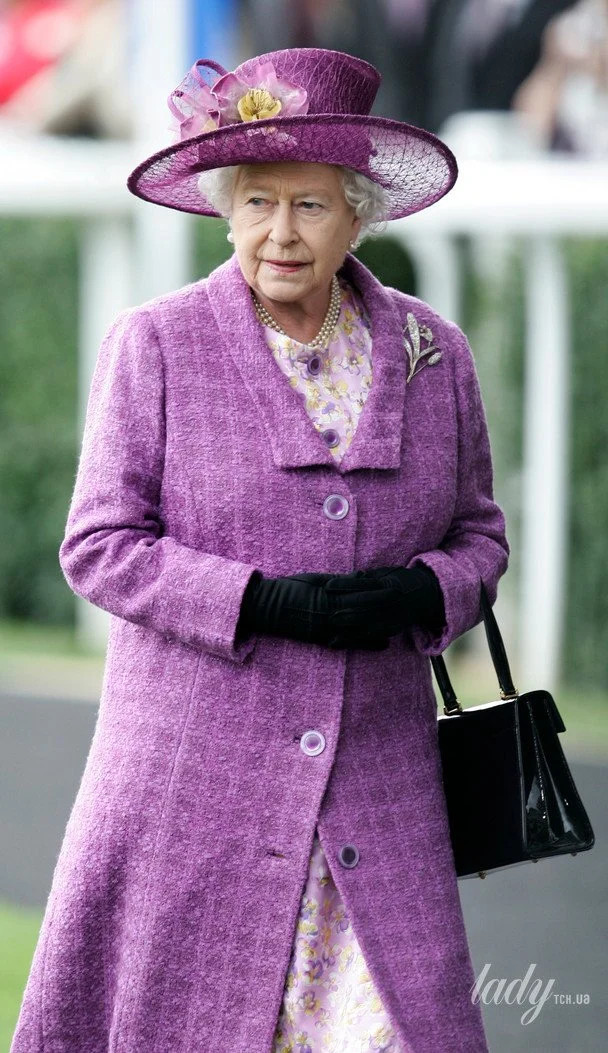
Queen Elizabeth II / © Associated Press
She was particularly interested in how the fabric moved. For light, soft materials, she might even use a fan to see how they would behave in the wind.
“The choice of fabric is, of course, very important. There are beautiful fabrics that look good but can snag on items or get caught, for instance, on Her Majesty’s watch. Fabrics with a loose weave can easily lose their shape, so they require a good lining. Furthermore, they can develop loose threads, making the garment look untidy and unattractive.”
Color and Details
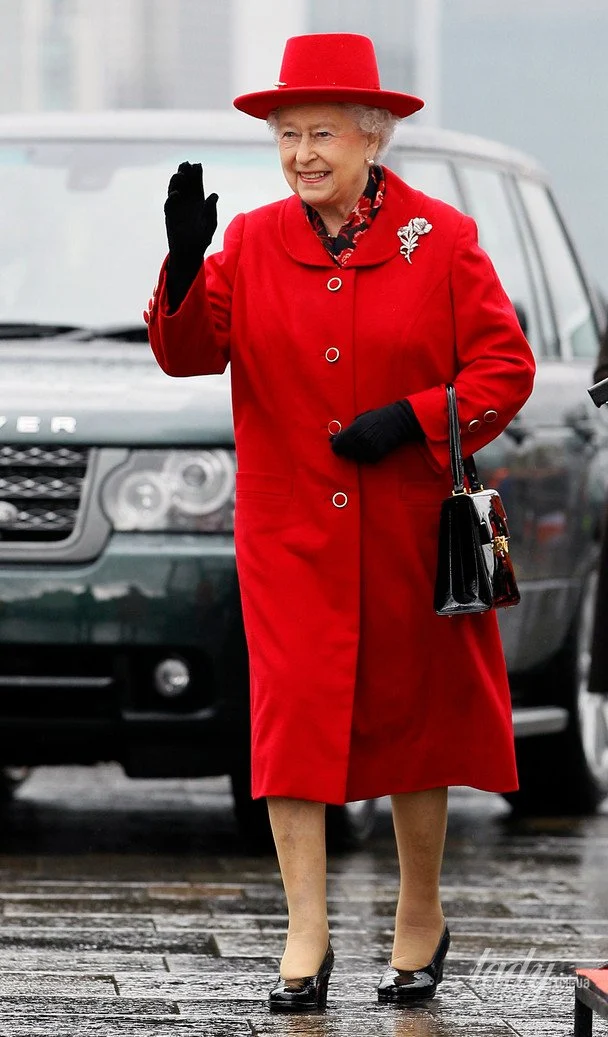
Elizabeth II understood that during public events, she needed to be clearly visible to as many people as possible. This is why Kelly often chose bright, distinctive colors. This was especially crucial during public engagements.
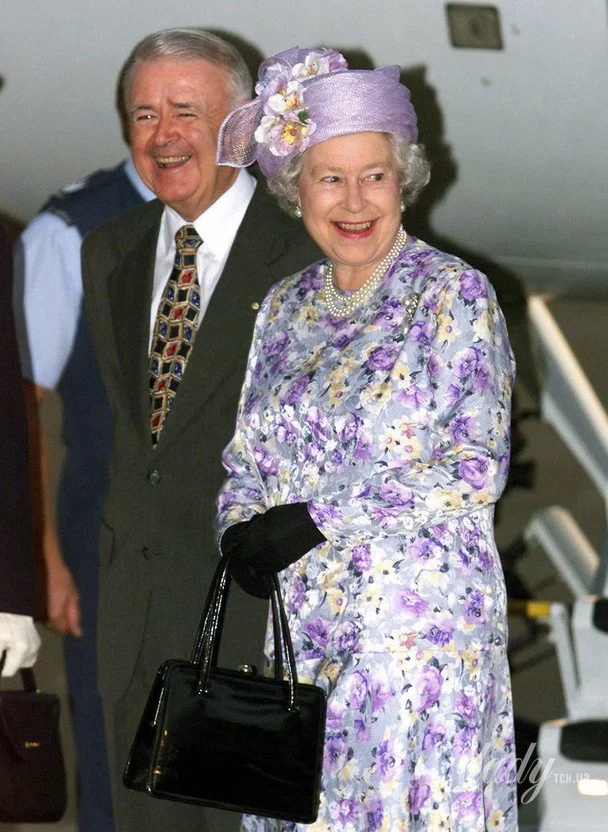
“The chosen color must suit the Queen and be appropriate for the occasion. Bright colors work well in daylight: they help her stand out from the crowd and remain visible to well-wishers who have come to see her. When the lighting changes or Her Majesty moves indoors, it affects the color and texture of the fabric – and this also needs to be considered.”
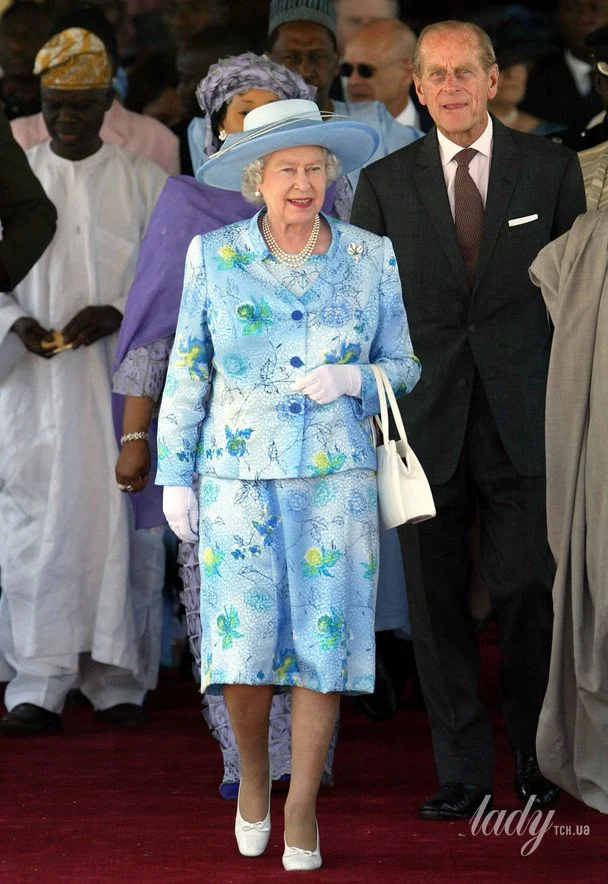
Queen Elizabeth II / © Associated Press
When Her Majesty visited schools or children’s centers, cheerful colors were chosen for her, and the hat was adorned with details that children might like: feathers, flowers, ribbons, curls. During visits to care homes, vibrant, easily visible colors and clear hat silhouettes were selected. This helped people with visual impairments see the Queen better and feel more included in the event.
Queen Elizabeth II / © Associated Press
Kelly also considered the four seasons individually and distinctly – each had its own palette and fabric selection:
-
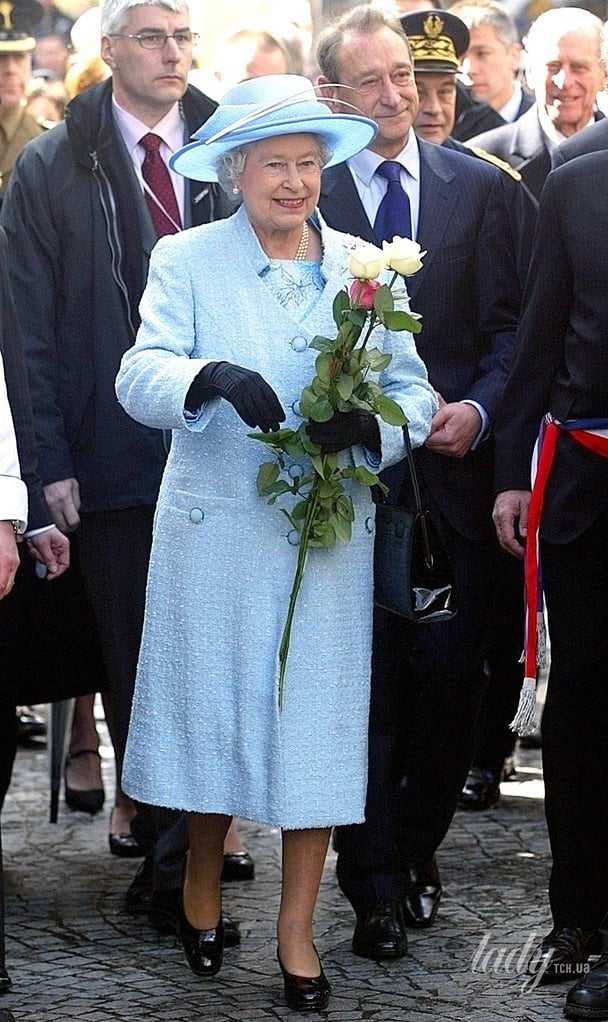
Spring featured softer, lighter colors, floral motifs, and light coats and jackets. However, due to changeable weather, warmer fabrics were used to protect Her Majesty from the cold.
-
Summer involved light, dynamic fabrics that moved and fluttered in the wind. Kelly used large floral patterns and bright colors.
-
Autumn was cooler, so fabrics of medium to heavier weight were chosen, such as wool, cashmere, and double crepe, with a more subdued color palette.
-
Winter brought in gold, royal blue, deep purple, as well as velvet and heavier wool, with appropriate scarves, larger collars, and warm hats. Faux fur was also used from 2019 onwards.
The Dress Had to Match the Occasion
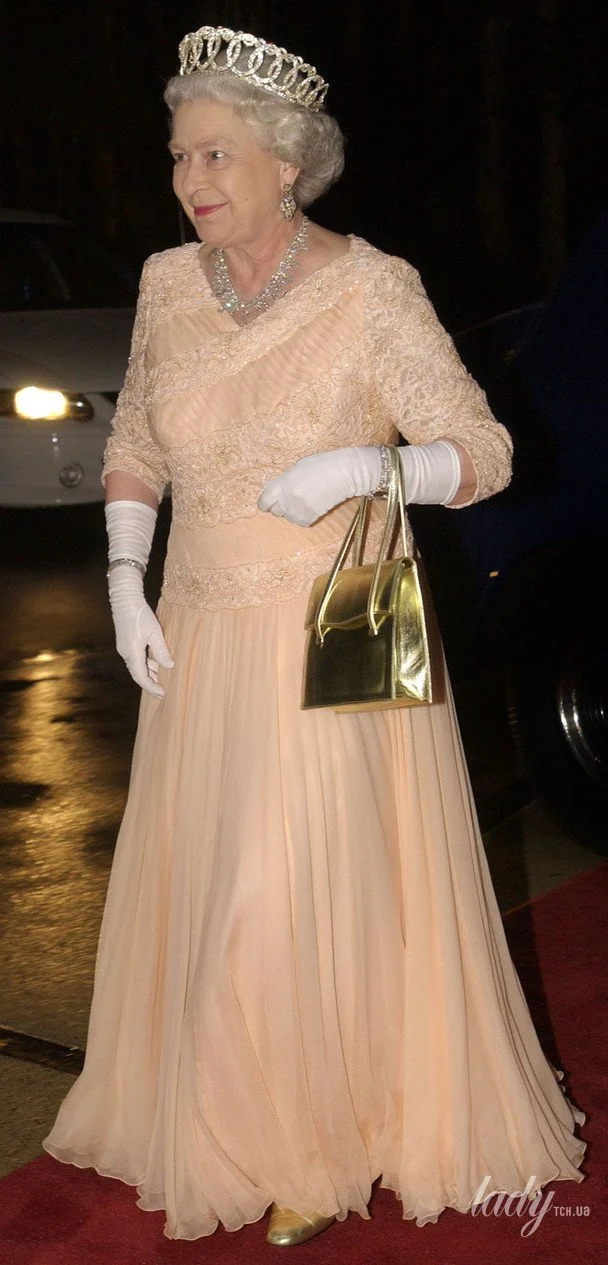
Angela also noted that the Queen’s most memorable dresses were created for specific events, such as state ceremonies or royal tours. When these were planned, Elizabeth reviewed designs to find a style that would suit the people and culture of the country she was to visit. Generally, the necklines of coats and jackets should be neither too high nor too low, and should not restrict movement. This was particularly important for thick wool coats with wide, voluminous collars. A lower neckline on a long dress allowed a signature necklace to sit well and remain visible. For warm weather, Angela typically created outfits with open necklines, while for cooler weather, the neckline would be higher and more closed.
Queen Elizabeth II / © Associated Press
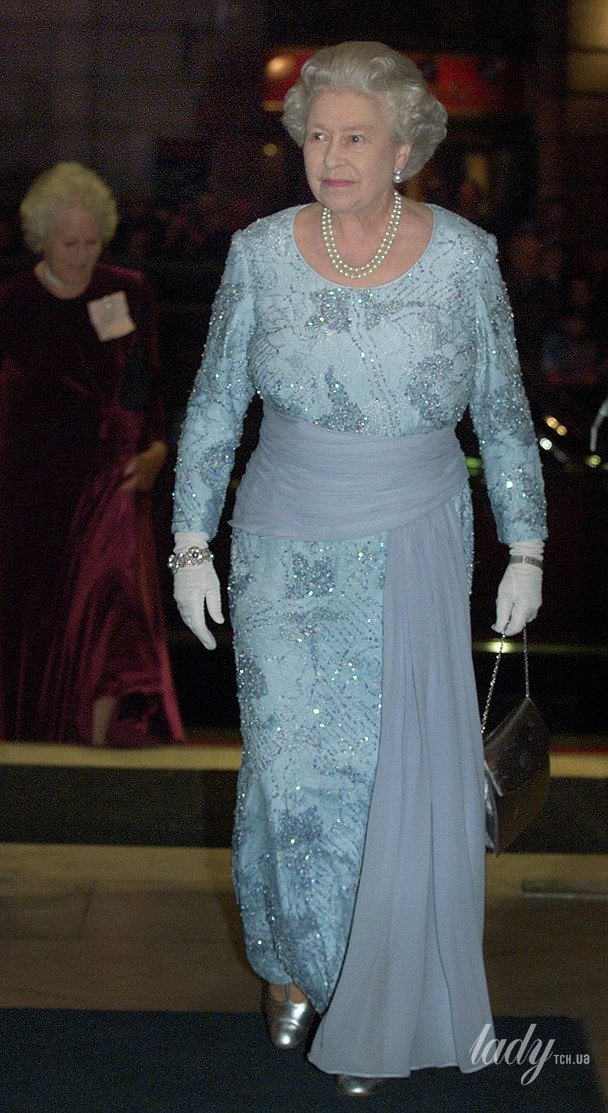
If an event called for a more formal design, Elizabeth did not shy away from beads or crystals. However, if a dress was embellished, Angela added extra layers of lining to ensure the Queen’s comfort in such attire. Beaded areas were typically placed at the front and sides.
Clothing for the Queen was created with the understanding that she might spend extended periods in a car. Coats or jackets had to be comfortable and practical. After a long journey, upon exiting the vehicle, Her Majesty needed to be confident that her outfit would lay correctly and remain unwrinkled.
Queen Elizabeth II / © Associated Press
The Length of the Royal Dress
The length of the dress depended on the occasion. Daytime attire typically ended slightly below the knee. A cocktail dress for a reception could be the same length or have a “ballet” length – ending around mid-calf or slightly below. Kelly considered this latter option particularly successful, as it allowed the Queen to walk freely.
Stairs could pose a challenge if a dress was too long or too tight. Therefore, Elizabeth II was sometimes seen in skirts that flared from the hips or knees. For longer skirts, Kelly often used a “fishtail” silhouette: it created a beautiful shape from the back but did not impede movement.
Queen Elizabeth II / © Associated Press
Overall, the Queen preferred fitted, but not overly tight, clothing. Sleeves were three-quarter or full length, but not excessively wide at the wrist. The reason was surprisingly simple: during meals, wide cuffs could end up in the soup.
Once the design was finalized, it was time for a meeting with the Queen. Kelly presented her ideas, proposed outfits, and fabric samples. Such a meeting usually lasted no more than an hour. After reaching an agreement, the garment was made relatively quickly. Then, two fittings were conducted to ensure each piece of clothing fit perfectly.
Queen Elizabeth II / © Associated Press
Regarding construction, Angela always used zippers for convenience – this allowed for quick removal of the outfit without disturbing the hairstyle. Dresses also featured weights sewn into the hem to prevent sudden gusts of wind from lifting the skirts.
Shoes
Queen Elizabeth II’s shoes were mostly custom-made. Heels were typically no higher than five centimeters. For uneven surfaces – cobblestones, gravel, or grass – the Queen wore shoes with lower heels.
Cream, white, or black shoes were the most practical for the Queen: one pair could complement many different outfits. However, before a new pair made it to Her Majesty’s feet, they needed to be broken in, and Kelly did this. The reason: the Queen had very little personal time, let alone time to break in new shoes herself. Kelly and Elizabeth II wore the same size, so the designer herself would wear the new pair until it became sufficiently comfortable.
The Hat
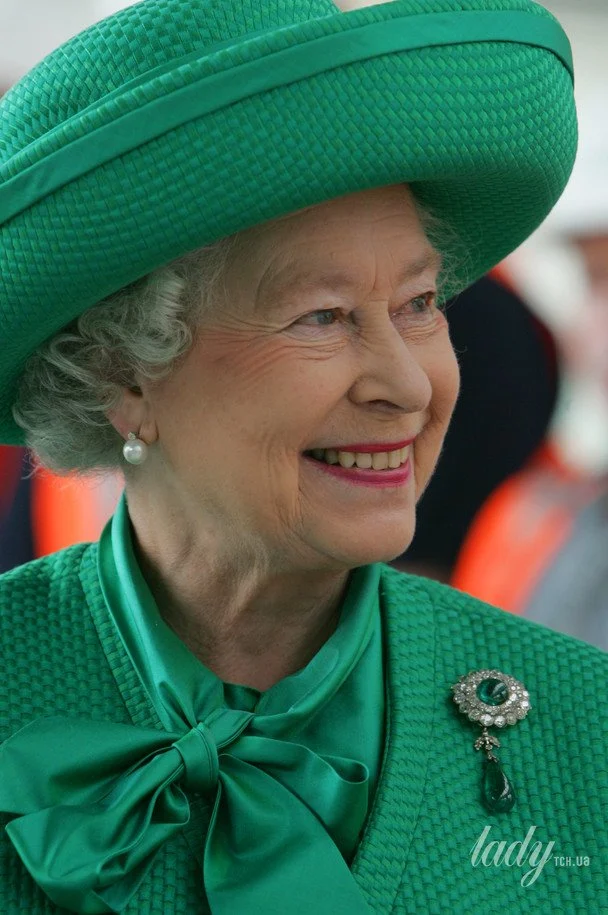
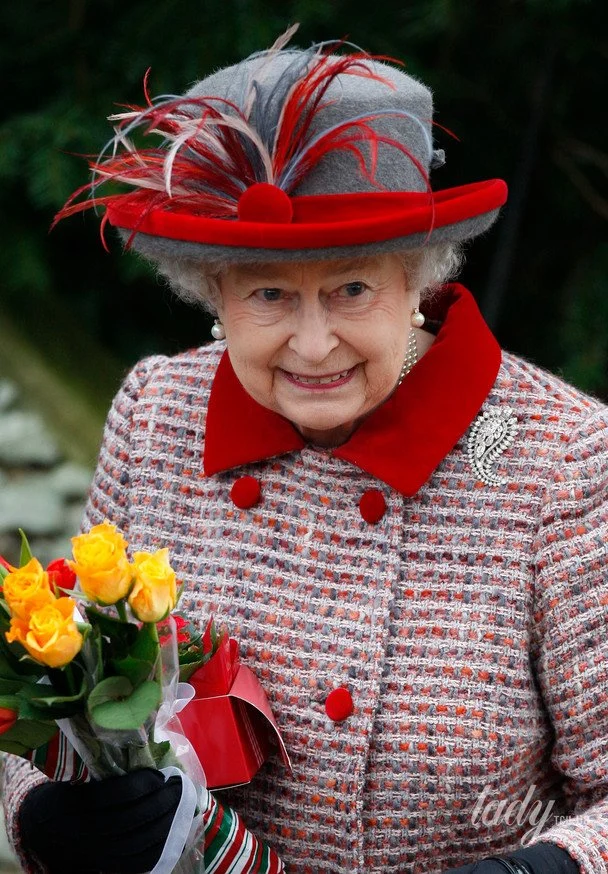
After 6 PM, Elizabeth II typically did not wear a hat, but state events and special dinners were exceptions, where it might be replaced by a hair accessory or a tiara. For daytime appearances, the hat served multiple purposes: it completed the outfit, made the Queen visible, but importantly, it should not impede her movement.
Queen Elizabeth II / © Associated Press
When Her Majesty got into a car, the hat should not cause issues. When she emerged to greet the crowd, people needed to see her face. Even the height of its crown and the width of its brim were carefully considered to meet these requirements.
Queen Elizabeth II / © Associated Press
An Outfit Could Last 25 Years
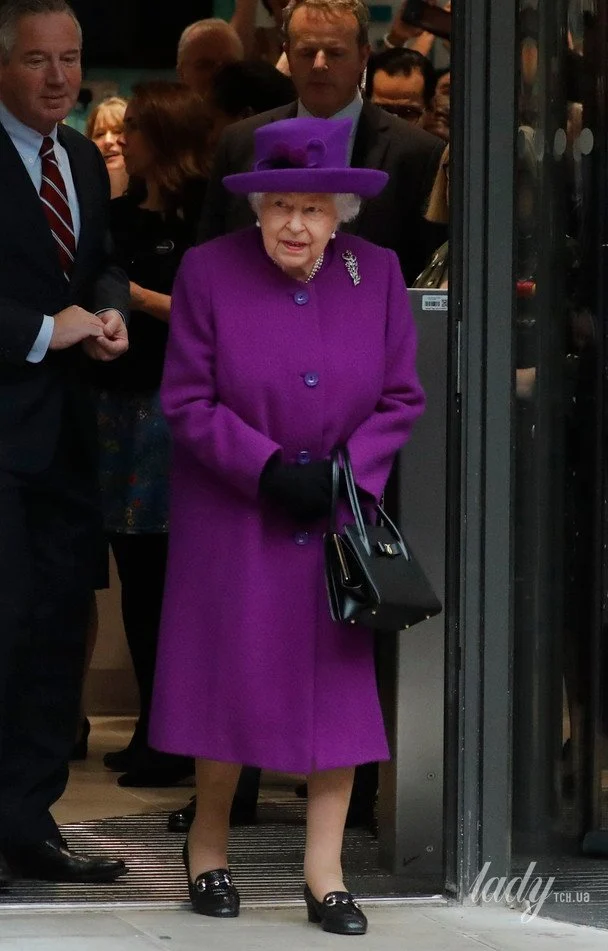
The lifespan of a royal garment could extend to approximately 25 years. Elizabeth II was thrifty and wanted her clothes to be adapted, altered, and reused as much as possible. However, this presented another challenge: the public and media closely monitored her attire.
Therefore, after two or three appearances, an outfit would become familiar to journalists and the public. Kelly and her assistants would then either find ways to modify it or reclassify the item into a different wardrobe category. A dress or suit might become part of the attire for private trips to Balmoral or Sandringham, or be used as morning wear.
Queen Elizabeth II / © Associated Press
Related Topics
Queen Elizabeth II British Monarchs Comments Sort: New Old Popular Send