

A simple method for cooking eggs and precise boiling times.
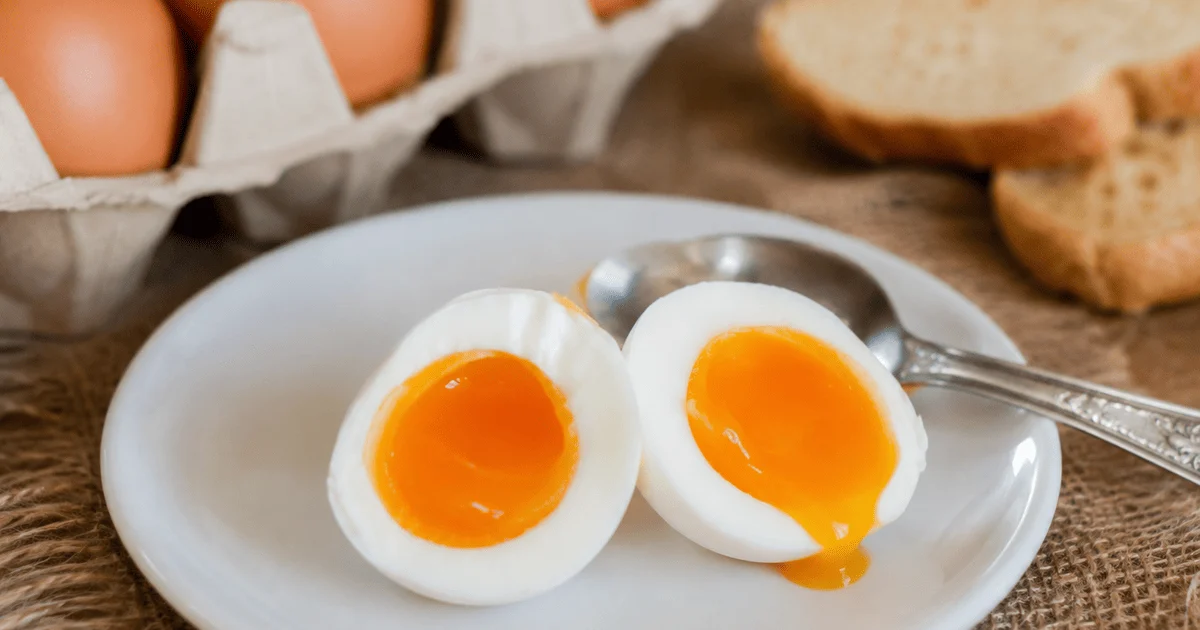
How to boil eggs correctly / © Photo from open sources
If you prefer eggs with a tender, runny yolk but don’t want the white to remain undercooked, it’s important to calculate the time correctly. Even a few extra minutes can completely alter the yolk’s consistency. The best result depends not only on the cooking duration but also on the water temperature when the eggs are added, their size, and their temperature before cooking.
How long to boil eggs for a runny yolk
If you place the eggs into boiling water, aim for approximately 6 minutes. During this time, the egg white will set properly, while the yolk inside remains liquid and creamy.
For a firmer white, you can boil the egg for about 6.5 minutes. If you desire a yolk that isn’t completely liquid but is thicker and resembles a soft cream, you can increase the time to around 7 minutes.
Therefore, for a classic egg with a fully cooked white and a runny yolk, it’s often best to aim for 6–7 minutes after immersing them in boiling water.
How to boil eggs correctly
First, take the eggs out of the refrigerator and rinse them gently. If they are very cold, a sharp temperature change when submerged in boiling water might increase the risk of cracking. However, there’s no need to keep them at room temperature for an extended period.
Boil enough water so that the eggs are completely submerged. Reduce the heat so the water continues to simmer gently, rather than boiling vigorously.
Carefully lower the eggs into the water using a spoon. For a runny yolk, aim for 6–7 minutes. After cooking, immediately transfer the eggs to cold water. This stops the cooking process and helps maintain the desired yolk consistency.
Why it’s important not to guess the time
Eggs of the same size can have slightly different temperatures before cooking, so the outcome may not always be identical. A large egg requires a little more time than a small one. If you cook eggs directly from the refrigerator, they might also need slightly more time compared to eggs that have already warmed up.
Therefore, it’s most convenient to determine the precise cooking time for the eggs you typically buy. If the yolk is too runny after 6 minutes, increase the time to 6.5–7 minutes next time.
What about placing eggs in cold water?
There is another method: placing eggs in a pot, covering them with cold water, bringing it to a boil, and then timing. However, it’s more challenging to give a universal number of minutes this way, as water boils at different rates in different pots, and the eggs begin to heat up even before boiling.
For the most predictable results, it’s more convenient to place the eggs into already boiling water and count the time from the moment they are submerged.
Related Topics
Tips Comments Sort: New Old Popular Submit