

Analysis of ancient DNA from Chilean mummies has for the first time provided irrefutable genetic evidence that European colonizers introduced the deadly smallpox virus to the Americas.
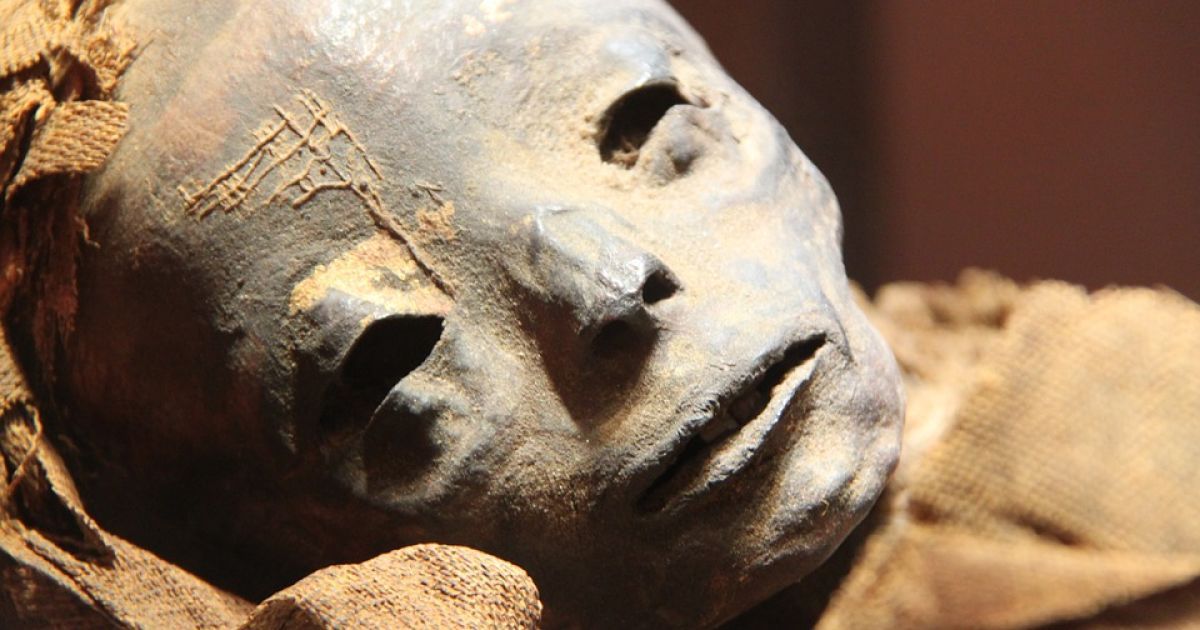
DNA from Chilean mummies preserved evidence of the European origin of smallpox / © pixabay.com
Smallpox is an ancient disease with a tragic history, which claimed the lives of approximately four million indigenous people of the Americas following the arrival of European colonizers on new lands. Previously, historical documents were the sole confirmation of the disease’s European origin and the mass extinction of local communities due to a complete lack of immunity.
This is reported by ScienceAlert.
A Unique Discovery in Chile
Researchers from Ireland and Chile have identified the genetic material of the variola virus in two naturally mummified bodies in the northern part of the country. These remarkable human remains belong to individuals who died between 1492 and 1631 AD.
The genomes of the discovered virus were found to be nearly identical, suggesting that both individuals were infected simultaneously shortly after the arrival of Europeans in South America. This represents a significant breakthrough in the search for ancient genetic evidence, which is typically extremely difficult to detect in remains due to the considerable passage of time.
“This is characteristic not only of smallpox but also of ancient pathogens, humans, and other species in general,” explained Constanza de la Fuente Castro, a biological anthropologist from the University of Chile.
Evolution of a Deadly Virus
Scientists have named the identified lineage of the virus CAM9 and were able to construct its unique family tree, where this strain fits perfectly between medieval European and modern variants. The lineage mapping indicated that the pathogen’s evolution in the Americas slowed down sharply for a couple of centuries and then accelerated again in the 19th century due to mass vaccination campaigns.
“The CAM9 genomes serve as a snapshot of viral evolution, helping us understand what evolutionary changes had already occurred before smallpox reached the Americas during the early colonial period,” noted Shigeki Nakagome, a geneticist from Trinity College Dublin.
Preserving Heritage
In addition to a better understanding of smallpox transmission and its mutations, this study highlights the immense archaeological potential of countries like Chile. Recovering ancient viral DNA is an exceptionally challenging task, making the clear evidence of infection in these mummies a pivotal moment for the entire team.
“While the mechanisms underlying this pattern require further investigation, it suggests that significant changes in human demography and epidemiology could have influenced the virus’s adaptive landscape,” added Mr. Nakagome.
The authors of the scientific work actively advocate for a better balance of resources and funding for science in countries of the Global South and North. They insist that such unique findings should be analyzed and preserved in the very nations where they are discovered.
“If we prioritize capacity building over sample export, publication might take longer, but this knowledge will be rooted in the region rather than extracted from it,” concluded Constanza de la Fuente Castro.
Recall that after the discovery of a Polish king’s tomb, 15 people mysteriously died. For decades, the tragedy was linked to a mystical curse, but scientists found another explanation for their actual demise.
Comments Sort: New Old Popular Send