

On a hot summer day, there’s nothing more pleasant than turning on the air conditioner and finally feeling the cool air. However, what to do if, instead of fresh air, the room is filled with a musty odor, let’s figure it out.
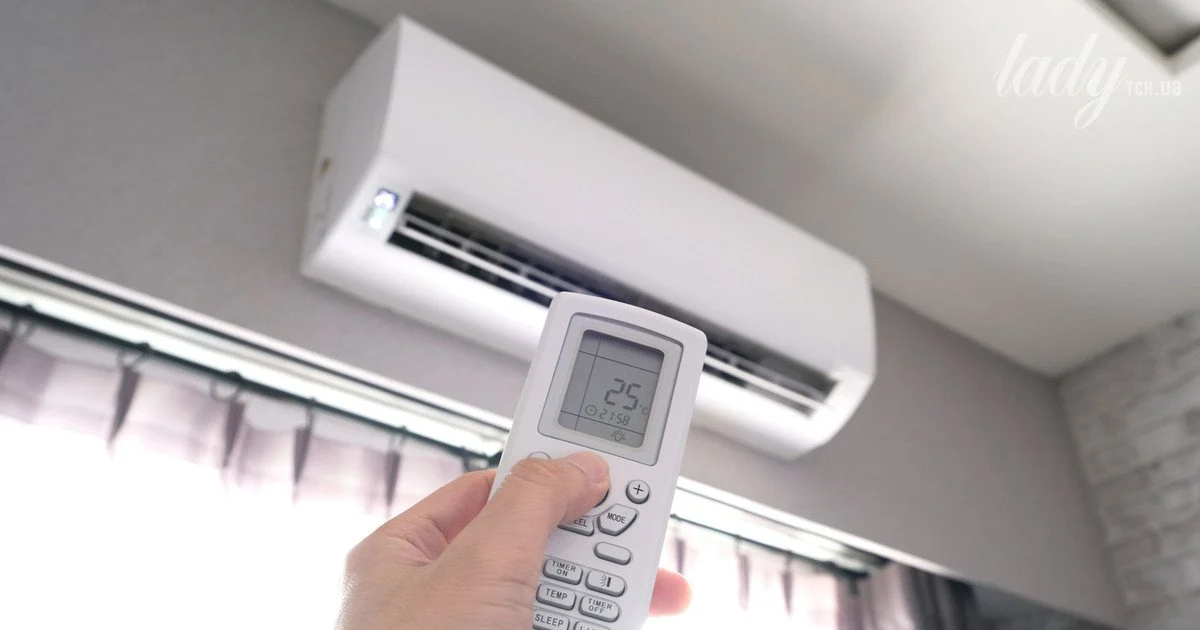
Why the air conditioner smells after turning it on / © Credits
A musty smell from the air conditioner is one of the most common summer problems. And while it might seem at first that it’s enough to just open a window or use an air freshener, experts advise not to ignore this signal, as reported by Martha Stewart.
An unpleasant odor often indicates the accumulation of moisture, dust, mold, or bacteria within the system. This not only degrades the air quality in your home but can also affect your well-being, especially if anyone in the family suffers from allergies or respiratory conditions.
Dirty Evaporator
Most often, the air conditioner’s evaporator is the culprit behind the unpleasant smell. During operation, its surface is constantly cooled below the dew point, causing condensation to form. If dust and fine organic debris accumulate on the evaporator, the moisture doesn’t dry completely, creating an ideal environment for mold and fungi to grow. This is precisely why a characteristic musty smell can be detected after turning on the air conditioner.
However, it is not recommended to disassemble the indoor unit yourself or use harsh cleaning agents. At home, you can only use a special evaporator cleaning spray that does not require rinsing. If the contamination is significant, it’s better to entrust the cleaning to professionals to avoid damaging the sensitive components of the system.
Stagnant Water in the Drain Pan
Beneath the evaporator is a special pan where condensation collects. Normally, water is quickly drained through the drainage system. Problems begin when the outflow is disrupted.
If the drain is not fully functional or is partially blocked, water can remain in the pan for several days or even weeks. Within two to three days in warm weather, fungi, bacteria, and slime actively multiply in this moist environment.
You can check for stagnant water yourself. If you notice water or a slimy residue in the pan, you should ensure the drainage system is working properly. If the problem recurs or you see signs of mold inside, professional cleaning will be necessary.
Clogged Drain Tube
Another common reason for a musty smell is a blocked drain tube, through which condensate should be removed. When dirt, slime, or algae accumulate inside, water stops flowing out properly. As a result, stagnation forms inside the air conditioner, which quickly leads to the appearance of an unpleasant odor.
In some cases, the problem can be resolved on your own. For instance, you can flush the tube with water or clean it using a wet/dry vacuum cleaner through the external drainage opening.
After restoring proper drainage, specialists recommend pouring about a glass of distilled white vinegar into the drain. Vinegar helps to eliminate bacteria, algae, and fungi, keeping the system clean for longer. Some technicians also use bleach for this purpose, but it must be used with extreme caution and only according to the manufacturer’s recommendations.
Dirty Air Filter
A neglected air filter can also cause an unpleasant smell. When it becomes clogged with dust, pet dander, and fine particles, air circulation significantly deteriorates. This causes the evaporator to operate in conditions of increased humidity, and even more organic contaminants accumulate inside the system.
To avoid this problem, experts advise changing the filter more frequently than manufacturers recommend. If the packaging indicates 90 days, during the summer season or with active air conditioner use, it’s better to do it approximately once a month. This is an inexpensive but very effective preventive measure.
Mold or Bacteria Inside the System
If the smell persists even after cleaning the filters, evaporator, and drainage, the problem might be more serious.
During prolonged inactivity, such as after winter or even a few days of disuse in a humid climate, moisture accumulates inside the air ducts and the air conditioner’s casing. Along with dust, skin particles, and other organic residues, it creates ideal conditions for microorganisms to thrive. When the air conditioner is turned on, they are released into the room along with the air.
Particular attention should be paid to situations where the musty smell does not disappear even after prolonged air conditioner operation or is accompanied by allergy-like symptoms such as nasal congestion, eye irritation, or coughing. This may indicate the growth of fungi or bacteria within the air ducts.
In such cases, regular home cleaning is no longer sufficient—professional diagnostics and comprehensive cleaning of the entire system are required.
A musty smell from the air conditioner is not just a matter of comfort but also an indicator of the system’s condition and the quality of the air you breathe daily. In most cases, the problem can be prevented with simple preventive measures. If the smell doesn’t disappear after basic cleaning, don’t delay calling a specialist. Timely diagnostics will not only restore freshness to your home but also extend the lifespan of the air conditioner and protect the health of your entire family.
Comments Sort by: Newest Oldest Popular Send