

The average surface temperature of the World Ocean has set a new absolute historical record, which serves as a disturbing indicator for the entire planet.
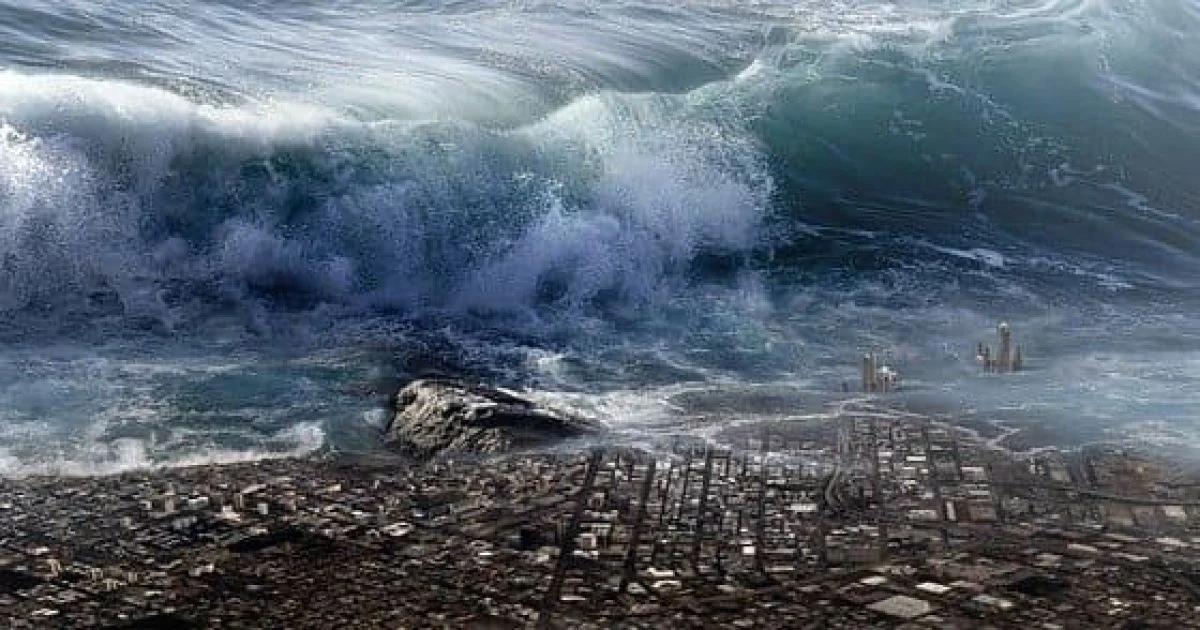
The World Ocean has set a new temperature record due to Super El Niño / © pixabay.com
Global ocean temperatures have reached their highest daily average level in recorded history, signaling a worrying intensification of Super El Niño. Scientists warn that the most severe consequences for the planet are yet to come.
This information is reported by the Daily Mail, citing data from the European Union’s Copernicus Climate Change Service (C3S).
Anomalous Peak in an Untypical Season
According to climatologists, on August 22, the average sea surface temperature outside the polar regions rose to a record 21.1°C. This surpassed the previous historical maximum of 21.09°C, recorded in March 2024, making it the hottest August day for the oceans in the entire history of measurements.
Scientists are particularly concerned that this temperature record occurred at the end of August. Typically, the World Ocean heats up to its peak values in March or April, when the water accumulates heat after the summer in the Southern Hemisphere. Such a surge at the end of the Northern Hemisphere’s summer indicates an exceptionally powerful influence of climatic processes.
Why is the Ocean “Boiling”?
This is happening against the backdrop of the development of Super El Niño in the tropical Pacific Ocean, which is leading to a massive accumulation of hot water extending towards Oceania.
Experts state that El Niño adds extra heat to the ocean, which has already been warming for decades due to human-induced climate change.
Temperatures in this crucial area are already approximately 2.6°C above the long-term average seasonal figures, and experts believe the worst is still ahead.
According to the latest forecasts from the Meteorological Bureau, warming in the Pacific Ocean could reach 3°C, while some reports predict an increase of up to 4°C.
“El Niño adds heat to the system, but it does so on top of decades of human-caused warming,” says Samantha Burgess, Head of Climate Change Strategy at the European Centre for Medium-Range Weather Forecasts.
The El Niño-Southern Oscillation is a natural climatic cycle that alternates between hot El Niño years and cool La Niña years every two to seven years.
When we enter an El Niño phase, the strong trade winds that typically blow warm water across the Pacific towards Australia weaken or even reverse direction.
This prevents cold water from rising from the ocean depths and leads to the accumulation of hot water near the surface off the west coast of South America.
Ultimately, this hot water begins to spread, raising the average global temperature and causing significant disruptions to weather patterns worldwide.
What are the Consequences for the Planet?
Currently, this warming is reaching “unprecedented” levels, and experts warn that El Niño is growing in scale to an extent not seen since the 19th century.
The most apparent consequence of this intensifying Super El Niño is that average global temperatures have now reached their hottest point in recorded history.
A significant portion of the warming is localized in the central El Niño region around the equatorial Pacific, but the effects are already beginning to be felt globally. For instance, last month was the hottest July on record for the oceans.
Meanwhile, coastal regions of Europe have experienced a series of marine heatwaves, leading to sharp temperature increases.
The consequences of El Niño are expected to be particularly dramatic as they compound decades of ocean warming caused by anthropogenic climate change.
While El Niño itself is not caused by climate change, this combination means that average temperatures are likely to be much higher than they would be naturally.
Ocean warming poses a threat to coastal communities and low-lying areas, as water expands when heated, leading to rising sea levels.
Higher ocean temperatures also increase the likelihood of extreme weather events, such as tropical storms and hurricanes. Therefore, the risks to marine ecosystems and coastal communities are escalating.
Previously, we reported that the current El Niño could match or even surpass the strongest ones in the last 50 years, with the first changes already noticeable in the behavior of marine animals.
Comments Sort: New Old Popular Submit