

High-altitude flights are unnatural for humans, so food may taste different, skin dries out, and stomachs become bloated.
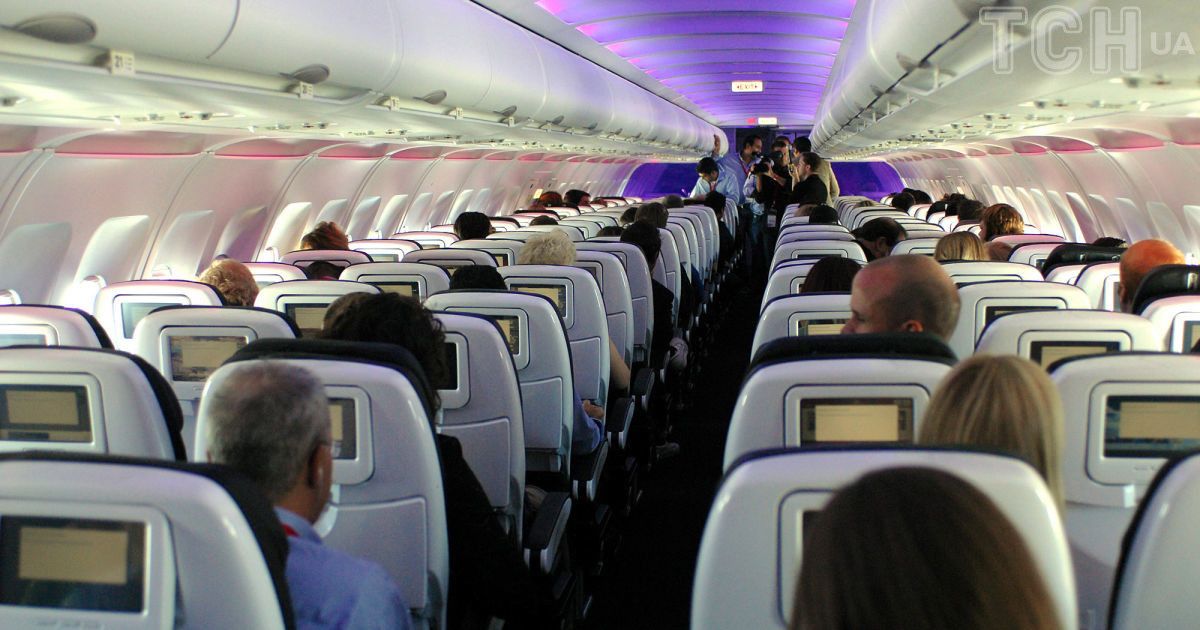
Doctors explained the reasons for the discomfort that can occur during air travel / © Getty Images
During air travel, the bodily systems most affected are those containing air, particularly the respiratory and digestive systems. As the cabin pressure drops significantly compared to ground level, the oxygen levels also decrease, which particularly impacts passengers with pre-existing conditions.
This is reported by the Daily Mail.
Fainting and Changes in Taste
According to medical statistics, fainting accounts for about a third of all in-flight medical emergencies. Altered oxygen levels, combined with dehydration and prolonged sitting, can cause people to feel unusually and intensely fatigued.
“Mostly, these symptoms are temporary and disappear shortly after landing, but taking a few simple precautions can make the flight much more comfortable,” notes Dr. Roger Henderson.
The expert also explains that the extremely dry cabin air reduces moisture in the nose and mouth, making it much harder for our taste receptors to function. This is why sweet and salty foods seem bland to us, while umami-flavored items like tomato juice taste much better in the air.
Why Bloating and Ear Pain Occur
As the plane rapidly ascends, the atmospheric pressure in the cabin changes, causing any air trapped in the intestines to expand. Specialists call this phenomenon “altitude bloating,” which operates on the same physical principle that causes sealed plastic water bottles to inflate after takeoff.
“Instead of eating large portions, try dividing your usual food intake into 5-6 smaller meals,” advises dietitian Megan Rossi.
For the same reason, the pressure difference causes the eardrums to retract, leading to the familiar feeling of ear fullness and pain.
Dry Skin and the Risk of Leg Swelling
Humidity in an airplane cabin is often below 20%, making it much drier than most ordinary rooms. As a result, moisture evaporates much faster from passengers’ skin, lips, and eyes, leaving an unpleasant feeling of tightness or irritation that can only be combated with moisturizers and frequent drinking.
In addition to facial discomfort, prolonged sitting significantly impairs blood circulation in the lower extremities, leading to noticeable ankle swelling. To avoid this, doctors strongly recommend moving regularly during the journey and periodically stretching your joints, even while seated.
“If you experience swelling affecting only one leg, accompanied by shortness of breath or any chest pain, you should seek immediate medical attention,” warns Dr. Asima Hanif.
The specialist emphasizes that such specific symptoms can indicate the formation of a dangerous blood clot that requires immediate medical intervention. Therefore, passengers at risk should pay special attention to their well-being and never ignore alarming signals from their body during long flights.
Earlier, we reported that being struck by lightning on an airplane might seem like one of the most dangerous scenarios during a flight. However, such occurrences are not rare in aviation, and modern aircraft are designed to withstand such events safely.
Comments Sort: New Old Popular Send