

How to make tender mashed potatoes with a creamy texture and avoid a sticky, rubbery consistency: a simple method used by professional chefs.
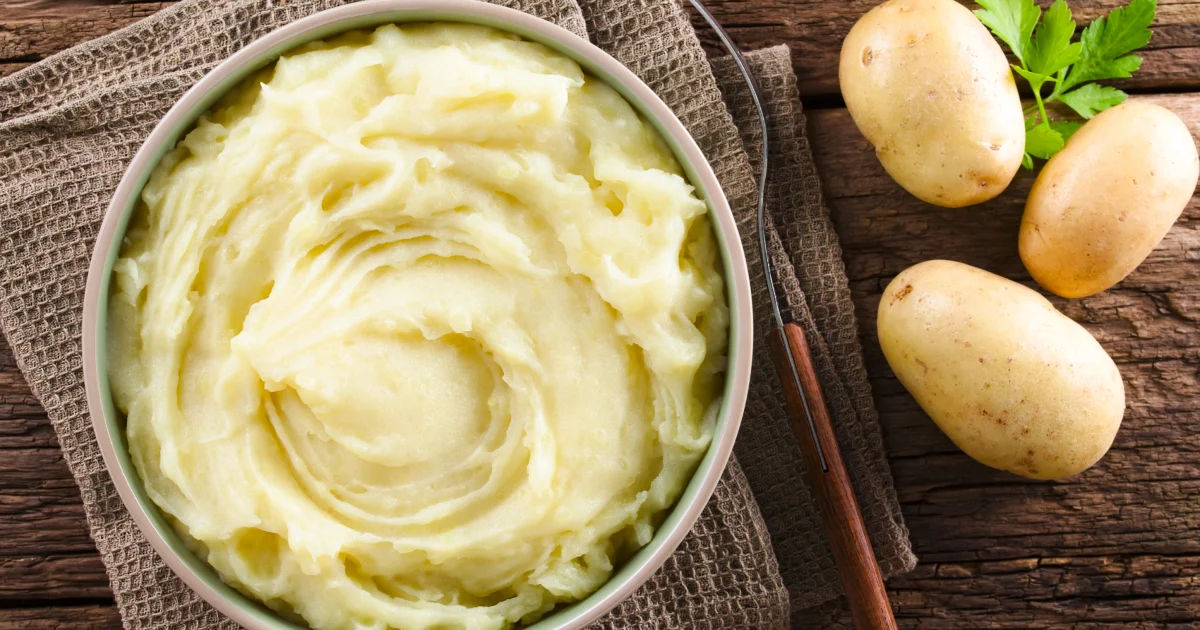
How to properly cook mashed potatoes / © Photo from open sources
It might seem like nothing could be simpler than mashed potatoes: boil potatoes, mash them, and add butter and milk. However, even experienced home cooks sometimes end up with a dense, sticky, and almost rubbery mass instead of a tender, creamy dish. The reason often lies not in the potato variety, but in the incorrect method of mashing. Professional chefs know a simple rule: potatoes for mash should not be over-processed.
The main secret is not to turn potatoes into a sticky mass
Potatoes contain a lot of starch. When hot, boiled potatoes are processed intensely for a long time with a blender, mixer, or food processor, the starch granules break down and release starch. This is precisely why the mash becomes sticky, stringy, and resembles rubber.
Therefore, it is best to mash the potatoes with a regular masher or pass them through a special potato ricer. This should be done while they are still hot. This method allows you to achieve a tender texture without excessive starch release.
Do not add cold milk
Another important detail is that all liquid ingredients should be warm. Cold milk or cream can quickly cool down the potatoes and negatively affect the consistency of the finished mash.
It is better to slightly warm the milk or cream, and take the butter out of the refrigerator in advance. First, mash the potatoes well, then add the butter, and only after that gradually pour in the warm milk.
Do not pour all the liquid in at once. The amount depends on the potato variety and how thick or tender you want your mash to be.
The cooking water must be drained well
After the potatoes are soft, the water must be completely drained. Then, the pot can be briefly returned to low heat to evaporate any remaining moisture.
This simple trick helps to avoid watery mash. Moreover, drier hot potatoes combine better with butter and warm cream, forming exactly that tender, creamy texture.
Which potatoes to choose
For mashed potatoes, potato varieties with sufficient starch content are best. They mash easily and yield a fluffier structure.
Young or overly waxy potatoes, on the other hand, may break down less effectively after boiling. As a result, more effort is required during mashing, which also increases the risk of obtaining a dense mass.
Related topics
Tips Comments Sort by: New Old Popular Send