

When choosing toilet paper, many people focus on the number of layers, density, and softness.
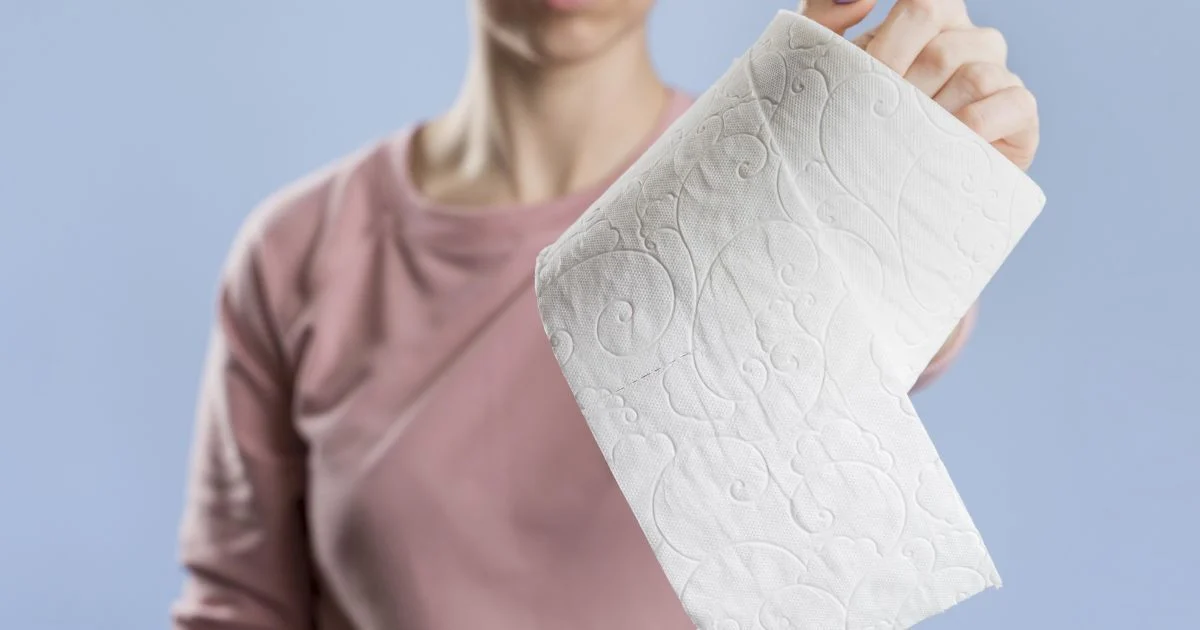
Toilet paper can harm the skin / © Freepik
Many believe that four-ply or more expensive toilet paper should be more hygienic. However, in reality, the number of layers by itself does not determine the quality of cleaning.
This is reported in the material by egeszsegkalauz.
Experts advise paying attention not only to the paper’s characteristics but also to how it is used. Overly intense or frequent wiping can irritate sensitive skin and cause itching.
More layers do not mean better hygiene
Toilet paper manufacturers often emphasize its softness, thickness, and the number of layers. These characteristics do affect comfort, but they do not automatically indicate better hygiene.
Dry toilet paper cleans mechanically – it removes a significant portion of contaminants during wiping. At the same time, the effectiveness of such cleaning depends not only on the thickness of the sheet.
In one small study involving 32 people, the use of toilet paper and a bidet was compared. After using the bidet, significantly fewer microorganisms were found on the glove used for testing. However, due to the small number of participants, the results cannot be generalized to everyone.
Vigorous wiping can be harmful
The skin around the anus is quite sensitive. If you constantly rub it hard with paper or do so too often, mechanical irritation can occur.
According to the Mayo Clinic, one of the possible causes of itching in this area can be excessive or overly vigorous cleaning.
This is especially relevant for people with hemorrhoids, anal fissures, or already irritated skin. If you experience burning, pain, or itching after using the toilet, intensifying rubbing is not the best solution.
Which toilet paper is better to choose
An optimal choice may be sufficiently soft paper without a rough surface, the use of which does not require strong pressure.
For people with sensitive skin, it is also advisable to choose paper without fragrances. Perfumed products can further irritate it.
Therefore, the number of layers should be viewed primarily as a characteristic of comfort, not as an indicator of the level of hygiene.
Water can be a gentler cleaning method
To clean after using the toilet, you can use a bidet, a hygienic shower, or simply water. This approach helps reduce the amount of dry wiping.
However, excessive cleaning with water is also not beneficial. Too strong a stream or prolonged washing can irritate the skin.
After water procedures, it is recommended not to rub the area but to gently pat it dry.
Are wet wipes worth using
Wet wipes may seem like an obvious alternative to dry paper, but they are not always suitable for sensitive skin.
Their composition may include fragrances, preservatives, and other components that can cause irritation. Therefore, if you regularly experience itching or burning, it is better to opt for fragrance-free products.
There is also a practical problem: some wet wipes, even those marketed as flushable, can contribute to clogging sewage systems.
Expensive paper may decompose slower in water
Dense and multi-layered toilet paper does not necessarily create plumbing problems, but its decomposition rate in water may differ from thinner options.
Studies have shown that some premium types of toilet paper decomposed more slowly in water than mid-range products. This process is influenced by the thickness, structure, and mass of the paper.
Therefore, there is no universal rule like “four layers are bad, two are good.” However, in older pipes or those prone to clogging, it is worth paying attention to how easily the paper breaks down in water.
With hemorrhoids, it is important not to injure the skin
With hemorrhoids, cleaning after defecation can be particularly uncomfortable. Additional friction can exacerbate discomfort.
In such a situation, it is important to avoid aggressive cleaning and perfumed products. Gentle washing with water can be an alternative to intense use of dry paper.
At the same time, blood on toilet paper should not be automatically attributed to hemorrhoids. If bleeding occurs for the first time, recurs, or is significant, you should consult a doctor, as the causes can vary.
White or brown toilet paper – which is better
The color of toilet paper itself does not determine its safety for the skin. The same applies to claims about the use of recycled materials.
For intimate hygiene, it is much more important that the paper is sufficiently soft, does not cause irritation, and does not contain unnecessary fragrances.
If you regularly experience itching, redness, or burning after using a particular product, try another, simpler option without fragrances.
Excessive hygiene can also be a problem
Persistent itching in this area does not necessarily indicate insufficient hygiene. On the contrary, excessive cleaning can be the cause.
Frequent rubbing, soap, shower gels, scented wipes, and other products can irritate the skin. This creates a vicious cycle: a person experiences itching, starts washing even more thoroughly, and the irritation intensifies.
If the problem persists for a long time or recurs regularly, consult a doctor. Itching can be caused not only by hygiene practices but also by hemorrhoids, skin diseases, infections, and other conditions.
The most expensive roll is not necessarily the best
Therefore, it is not necessary to buy the most expensive or densest toilet paper solely because of the higher number of layers. For skin health, softness, the absence of irritating fragrances, and gentle use are much more important.
The main rule is not to rub the skin forcefully. If dry paper regularly causes discomfort, you can try gentle cleaning with water.
Related topics
Tips Health Comments Sort by: New Old Popular Send