

The heat is dangerous not only for people but also for our four-legged companions. An overheated car, hot asphalt, or a regular midday walk can lead to serious problems, so let’s discuss how to help a dog or cat comfortably endure hot days.
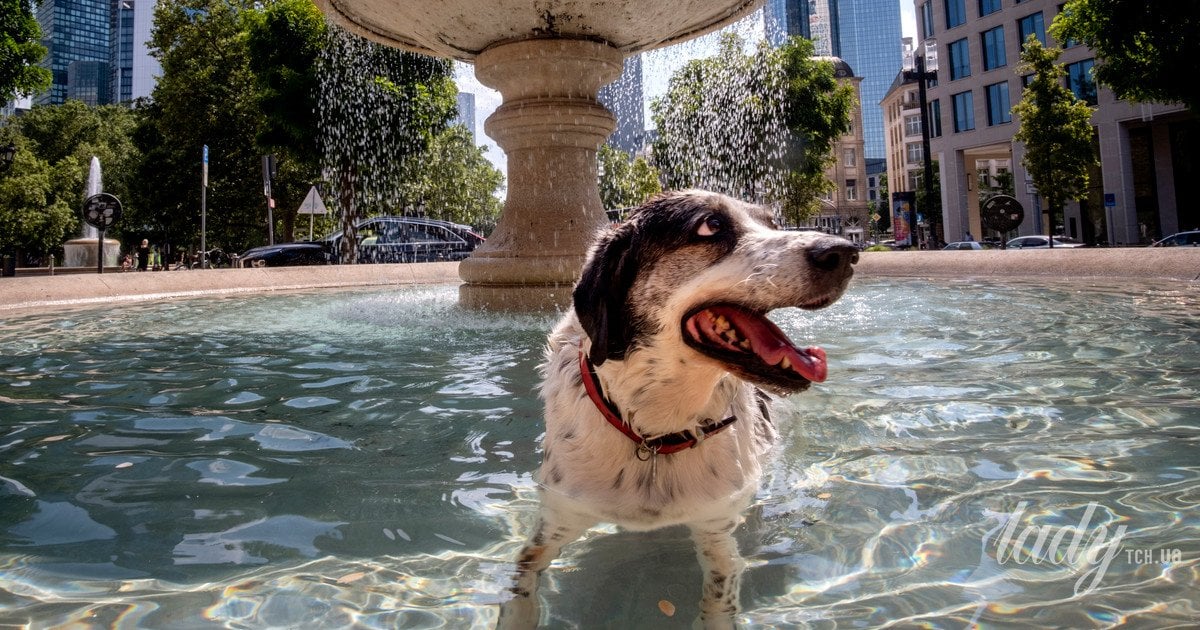
How to protect your pet from heat: the 5-second rule / © Associated Press
When the temperature outside rises, we switch to lighter clothing, drink more water, seek shade, and turn on the air conditioning. However, our pets cannot tell us themselves when they are feeling too hot.
This is precisely why their comfort is especially crucial during the summer. Moreover, the heat can be dangerous even when we ourselves feel the day is merely pleasantly warm. The publication RTÉ reminds us that the risk of overheating depends not only on the air temperature. The breed, age, weight, health status, and physical activity level of the animal are also significant factors.
Who Suffers Most from the Heat
Certain dog breeds are particularly sensitive to high temperatures. First and foremost are brachycephalic, or short-nosed breeds, which find it more challenging to effectively cool their bodies. The group at increased risk includes:
-
Chow Chows
-
Bulldogs
-
French Bulldogs
-
Dogue de Bordeaux
-
Greyhounds
-
Boxers
-
English Springer Spaniels
-
Cavalier King Charles Spaniels
-
Pugs
-
Golden Retrievers
-
Staffordshire Bull Terriers
Among cats, owners should be particularly mindful of:
-
Persians
-
British Longhairs
-
Himalayans
-
Scottish Folds
However, this does not mean that other animals can spend the whole day carefree in the sun. Age, excess weight, poor physical condition, or strenuous exercise can also increase the risk of overheating.
Water
The simplest rule for a hot day: the animal must always have access to fresh water. Check the bowl more often than usual and refill it regularly. If the animal has difficulty moving around, place the bowl closer to its favorite resting spot.
Some pets will appreciate a few ice cubes in their water, like a special summer treat.
Take care of the air as well; ventilate the premises, and under safe conditions, a fan can be used. However, it’s important that the animal can move away from the airflow if it feels uncomfortable.
Shade
One of the most dangerous mistakes is leaving an animal in a place where heat accumulates quickly. A sunroom, a glazed balcony, a spot near a sunny window, or a car can turn into a trap in a very short time.
A car is particularly dangerous. Even if the outdoor temperature is only 22°C, the temperature inside the vehicle can rise to approximately 47°C within an hour. Therefore, the rule is extremely simple: never leave an animal alone in a car during hot weather.
At home and outdoors, your pet should always have the opportunity to move to a cool, shaded area.
The Five-Second Rule
One of the most useful summer checks concerns the asphalt. Before going for a walk with your dog, place your palm on the sidewalk or other surface for about 5 seconds.
If the surface is so hot that it’s painful to keep your hand there, it’s also too hot for your dog’s paws. Scorching asphalt can cause burns to the paw pads, even if the air temperature itself seems quite bearable.
Therefore, on hot days, it’s better to postpone active walks to early morning or evening when the surfaces and air are cooler. And make midday walks shorter and calmer.
Don’t Forget About Fleas and Ticks
Warm weather is comfortable not only for pets but also for parasites. In the summer, it is especially important not to miss scheduled treatments for fleas and ticks. Even if they don’t pose an immediate life threat in every case, parasites can cause itching, irritation, and significant discomfort. And treating the consequences incurs additional expenses and unnecessary stress for the animal.
So, summer care is not just about water and coolness, but also regular prevention.
Comments Sort: New Old Popular Send