

If you have more tomatoes than your family can consume, you can transform some into sauce, freeze them, or even dry them.
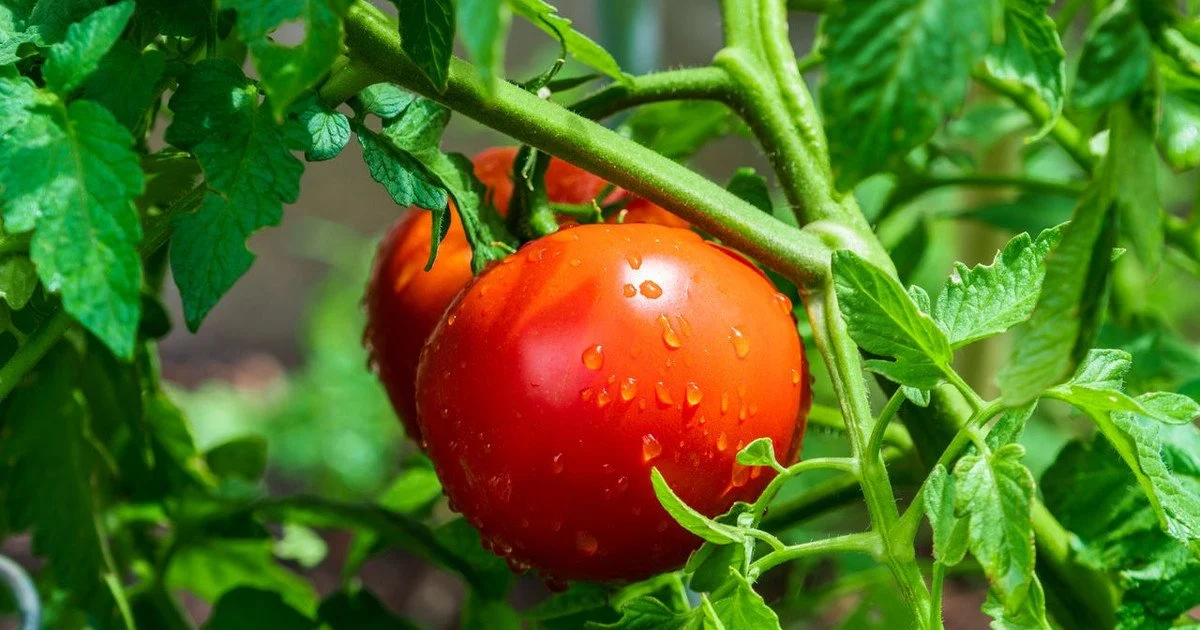
Tomatoes / © pexels.com
When dealing with an excess of tomatoes, it’s best to first sort them by ripeness and condition, rather than trying to process them all in the same way. Use soft, very ripe fruits first for sauces, soups, or other hot dishes. Keep firm fruits that you intend to eat fresh separate from those that require immediate processing.
How to Sort Tomatoes by Ripeness
Begin by setting aside any fruits with mold, an unpleasant odor, or wet spots, as these should not be used for preservation. Ripe but intact tomatoes should be processed within the next few days to avoid spoilage.
Fresh tomatoes or tomato products can be stored in the refrigerator at temperatures below 4.4 °C, but this does not halt spoilage indefinitely. Therefore, regularly check their condition and do not store fruits exhibiting signs of damage.
Quick Tomato Sauce: Ingredients, Steps, and Yield
For approximately 1–1.2 liters of sauce, you will need:
-
2 kg of ripe tomatoes;
-
1 onion;
-
2–3 cloves of garlic;
-
2 tablespoons of oil;
-
salt, pepper, and dried herbs to taste.
-
Wash the tomatoes, remove the stems, and chop them. If you desire a smooth sauce, immerse them in boiling water for 30–60 seconds, then in cold water, and peel them.
-
Heat the oil in a saucepan, lightly sauté the onion and garlic, then add the tomatoes.
-
Bring the mixture to a boil and simmer uncovered for 35–45 minutes, stirring occasionally. At the end, season with salt and pepper, and blend with an immersion blender or pass through a sieve.
This sauce can be used immediately for pasta, pizza, soup, or stewed vegetables. If not served immediately, cool it quickly, transfer it to a clean container, and store it in the refrigerator; for longer storage, it’s more convenient to freeze it in portions.
Tomatoes for Freezing: Which Dishes Are They Suitable For
Tomatoes can be frozen whole, in pieces, or already in sauce form. Before freezing, wash the fruits, dry them, remove the stems, and then portion them into small amounts in airtight bags or containers.
After thawing, the flesh will become less firm, making these tomatoes best suited for soups, stews, gravies, sauces, and braised dishes. The National Center for Home Food Preservation notes that thawed frozen tomatoes have a soft texture and are primarily suitable for cooking, rather than for fresh salads.
Sun-Dried and Dried Tomatoes
For drying, choose firm, not overripe fruits. Slice them in halves or wedges, remove excess liquid, and dry them in a dehydrator or oven at a low temperature until wrinkled but not moist inside.
Sun-dried tomatoes are convenient to add to pasta, salads, sandwiches, and baked goods. Store dried tomatoes in clean, dry, airtight containers. For long-term home storage, do not cover them with oil without a verified method: the NCHFP does not recommend this approach, as oil can create conditions conducive to the growth of botulism.
Comments Sort: New Old Popular Send